
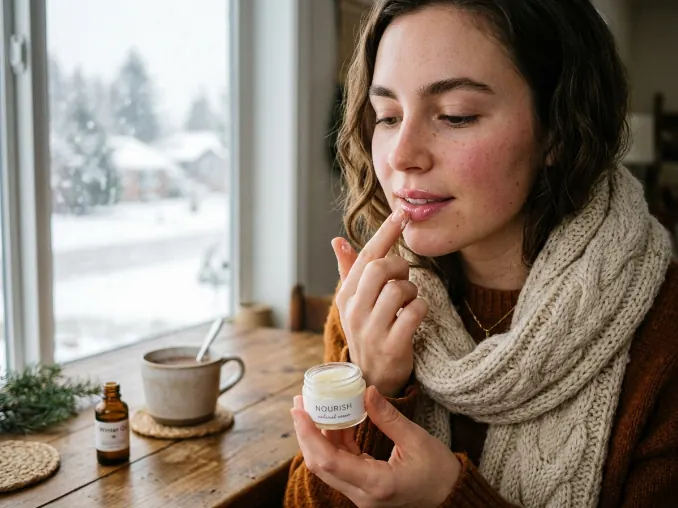
Cold air and dry indoor heat team up every winter to leave lips cracked and uncomfortable. A complete winter lip care routine keeps your lips soft throughout the season instead of leaving you to deal with cracking after it’s already started. I used to reach for lip balm only once my lips already hurt, which never actually fixed the problem. A proper routine works better than any single quick fix, since it addresses the causes instead of just the symptoms, and it stops the cycle before it starts.
This guide walks through twelve simple steps for a winter lip care routine, the best ingredients to look for, how long results typically take, common mistakes, and tips to keep lips soft through the whole season.
Why Do Lips Become Dry During Winter?
A few factors combine to make winter especially rough on lips.
Cold air holds far less moisture than warm air, which pulls hydration straight out of exposed skin. Indoor heating makes this worse, drying out the air inside just as much as the cold does outside, sometimes leaving lips with no real break from dryness at all. Lips also lack the oil glands that the rest of your skin has, so they can’t protect themselves the same way. Wind, licking your lips, and skipping balm until they already hurt all add to the damage, and most people don’t realize how much these small habits compound over a full season.
12-Step Winter Lip Care Routine
1. Clean Your Lips the Right Way
A gentle wipe with a damp, soft cloth removes flakes without scrubbing too hard. Avoid harsh soaps or anything with alcohol, since both strip moisture your lips need. A quick rinse with lukewarm water works better than hot water, which can dry out already sensitive skin.
2. Exfoliate Without Causing Irritation
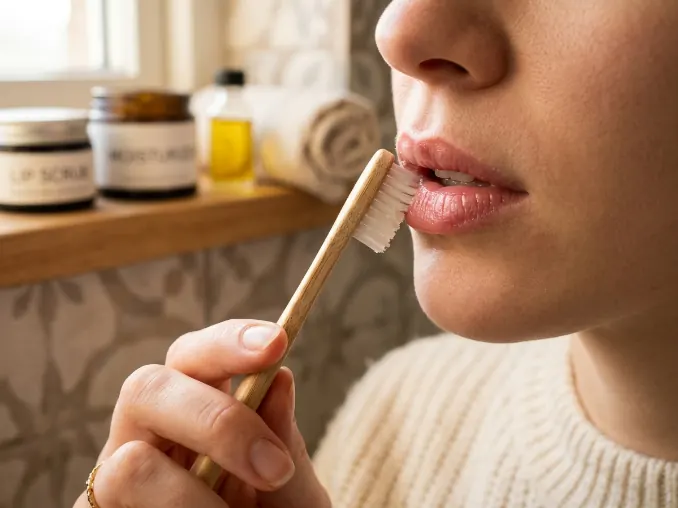
Exfoliating once or twice a week removes dead skin without overdoing it. A soft toothbrush or a gentle sugar scrub both work well, and either store-bought or homemade options are fine as long as they’re not too abrasive. Circular motions with light pressure lift away flakes without tearing at healthy skin underneath.
3. Apply a Moisturizing Lip Balm
Applying balm right after cleansing locks in moisture while lips are still slightly damp, which helps the product absorb more effectively. Look for ingredients like shea butter or beeswax rather than anything with added fragrance. A thin, even layer works better than a thick coat that just sits on top without absorbing.
4. Protect Your Lips Before Going Outside
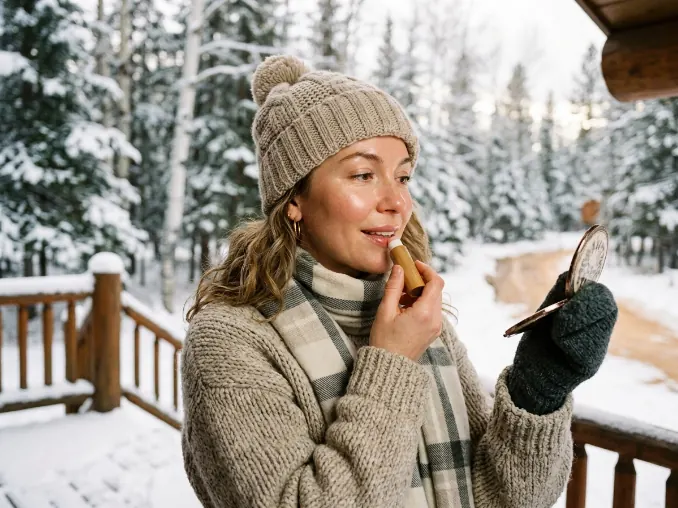
Wind dries lips out even faster than cold air alone. An SPF lip balm applied before heading outdoors protects against both wind and winter sun, which is easy to underestimate on cloudy days. Reapplying every couple of hours outside keeps the protection from wearing off too soon.
5. Drink Enough Water Every Day
Hydration affects your whole body, including your lips. Keeping a water bottle nearby, or setting reminders on your phone, makes it easier to hit a reasonable daily amount without much thought. Herbal tea counts too, especially on cold days when plain water feels less appealing.
6. Stop Licking or Picking Your Lips
Licking feels soothing for a second but actually speeds up dryness once the saliva evaporates. Keeping balm within reach gives you something to reach for instead, which breaks the habit over time. I caught myself licking my lips constantly one winter, and swapping in a tinted balm gave me a reason to reach for that instead.
7. Use an Overnight Lip Treatment
A thicker balm or lip mask applied before bed gives lips hours to repair without interruption. Overnight treatments tend to be richer than daytime balms, since there’s no need to worry about a matte finish or reapplying. A lip mask left on for just twenty minutes before bed also works if a full overnight treatment feels like too much.

8. Choose Lip Products Carefully
Ingredients like shea butter, ceramides, and hyaluronic acid support healing, while menthol, camphor, and added fragrance often make dryness worse. Reading the ingredient list before buying saves you from unknowingly working against yourself. A short ingredient list is usually a good sign, since it means fewer potential irritants overall.
9. Add Moisture Back Into Your Room
A humidifier in the bedroom counters the dry air that indoor heating creates overnight. Even a bowl of water near a radiator adds a small amount of moisture back into a dry room. Cracking a window for a few minutes each day also helps cycle out overly dry indoor air.
10. Eat Foods That Support Healthy Lips
Healthy fats, like those in avocado and salmon, support skin health from the inside out. Vitamins A, C, and E all play a role too, and most of them show up naturally in a normal, varied diet. Leafy greens and citrus fruits are easy, everyday sources worth keeping in regular rotation throughout the colder months.
11. Adjust Your Lip Care Routine for Extreme Cold
Freezing temperatures call for thicker, more frequent balm application than a mild winter day. Packing a travel-sized balm for trips or long days outside keeps you covered even when your usual routine isn’t practical. Layering a heavier balm over a hydrating one gives extra protection on the coldest days.
12. Stay Consistent Every Day
A morning application protects lips through the day, while a midday reapplication covers anything lost to talking, eating, or wind exposure. A final application before bed rounds out a routine that actually works, rather than one used only when lips already hurt. Sticking with this three-times-a-day rhythm makes the biggest difference of anything on this entire list.
Best Ingredients for Dry Winter Lips
A handful of ingredients show up again and again in effective winter lip products.
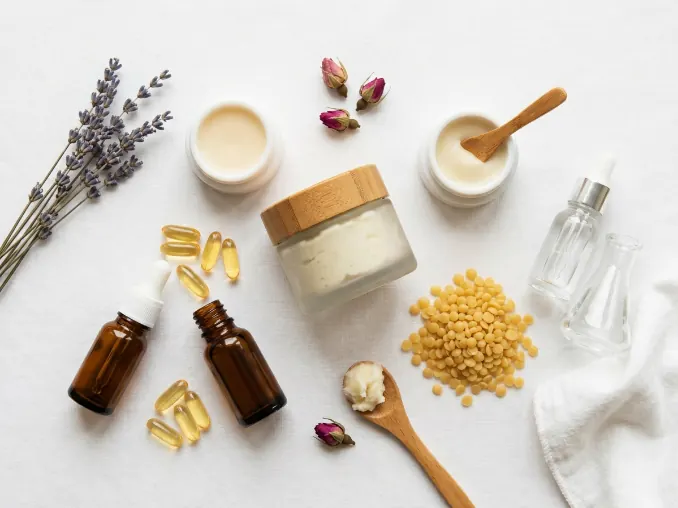
Shea butter deeply moisturizes and forms a protective layer against wind and cold. Beeswax locks in hydration and creates a barrier that lasts longer than lighter oils alone. Ceramides help repair the skin’s natural barrier, which matters even more once winter weather has already caused some damage.
Hyaluronic acid draws moisture into the skin, which works especially well layered under a heavier balm. Vitamin E supports healing and adds antioxidant protection at the same time. Coconut oil offers a lighter option for anyone who prefers something less heavy than shea butter or beeswax, though it doesn’t hold up quite as well in extreme wind or cold.
Combining two or three of these ingredients in one product usually works better than relying on just one alone.
These ingredients work even better when they are part of a regular lip care routine.
Does Your Routine Need to Change in Different Climates?
A mild winter and a genuinely harsh one call for slightly different levels of care, since not every region deals with the same intensity of cold and dryness.
In milder climates, a basic balm applied two or three times a day usually covers most needs without much extra effort. In colder, drier regions, thicker balms, more frequent reapplication, and added indoor humidity become far more important. Anyone dealing with wind chill or extended time outdoors should lean toward richer, more protective products rather than lighter everyday options, since a light balm often wears off before it has a chance to do much good.
Adjusting the routine to match your actual climate, rather than following a one-size-fits-all approach, makes the difference between lips that stay comfortable and lips that stay chapped no matter what you try.
How Long Does It Take to See Results?
Most people notice softer lips within a few days of starting a consistent routine, even before full healing happens.
Severely chapped or cracked lips usually need one to two weeks of steady care before they fully heal. Applying balm three times a day, rather than only when lips feel dry, speeds up this process considerably. Patience matters here, since switching products too often can undo progress before an ingredient has a real chance to work.
If lips stay painfully cracked or bleed despite weeks of consistent care, it’s worth checking in with a dermatologist rather than continuing to guess at home. Persistent cracking can sometimes point to something beyond typical winter dryness.
Common Winter Lip Care Mistakes to Avoid
Applying Lip Balm Only When Lips Hurt
Waiting until lips crack means you’re already playing catch-up. Reapplying consistently prevents the damage instead of just responding to it, which makes the whole routine far more effective over time.
Over-Exfoliating
Scrubbing too often strips away the skin’s natural barrier and makes dryness worse. Once or twice a week is usually plenty, even during the driest months, and daily exfoliation almost always backfires.
Using Products with Drying Ingredients
Menthol and camphor create a cooling sensation that feels soothing at first but dries lips out over time. Checking labels before buying prevents this common trap, especially with balms marketed as “tingly” or “refreshing.”
Forgetting Sun Protection
Winter sun still damages lips, especially with sunlight reflecting off snow. An SPF lip balm protects against this even on cloudy or overcast days, when it’s easy to assume protection isn’t necessary.
Peeling Dry Skin
Picking at flaking skin can tear healthy skin underneath and slow healing. Gentle exfoliation handles dead skin far more safely than picking ever will, even though the urge to pick can be hard to resist.
Ignoring Nighttime Care
Skipping a treatment before bed wastes hours when lips could otherwise be healing undisturbed. A thicker overnight balm makes a noticeable difference by morning, especially after a day spent outside in the cold.
Simple Tips to Keep Your Lips Soft All Winter
A few small habits make the whole routine easier to stick with.
- Keep lip balm with you in a coat pocket, bag, or desk drawer so reapplying never feels inconvenient.
- Drink enough water throughout the day, not just when you remember to, since dehydration shows up on lips before almost anywhere else.
- Wear a scarf on windy days to shield your lower face from direct wind exposure, especially during a long commute or extended time outside.
- Replace old lip products every few months, since expired balm loses effectiveness and can even irritate sensitive lips.
- Stay consistent, since a routine only works if you actually follow it every day, not just when lips already feel dry.
None of these habits take much time individually, but together they add up to noticeably softer lips by the middle of winter. Healthy lips are easier to maintain when you also follow a daily skincare routine.
Conclusion
A few consistent daily habits go a long way toward keeping lips soft and healthy through the harshest months. Small changes, like reapplying balm before lips hurt or adding a humidifier to your bedroom, add up more than any single product ever could on its own. Winter lips respond well to routine, even when the weather outside doesn’t cooperate.
Ready to Build Your Winter Lip Care Routine?
Start with two or three steps from this list today, then build the rest of the routine gradually. Staying consistent through the season is what actually keeps your lips soft, not any single product you buy. A little daily effort now saves you from dealing with cracked, painful lips later in the season.
Related Articles
Explore more topics in this category
Red Light Therapy Skincare Benefits: Amazing Skin Guide
Red light therapy has moved from dermatology offices into everyday skincare routines over the past several years. Red light therapy skincare…

8 Proven Home Remedies to Transform Your Daily Health
I remember the night when a terrible sore throat kept me awake for hours before an important presentation. My grandmother gently…
7 Best Tips for Slugging Skincare: Overnight Dew
If you’ve spent any time on TikTok lately, you’ve probably seen people covering their faces in petroleum jelly before bed. While…

Mila
Beauty content creator and chief editor at EasyBeautyHacks. Dedicated to testing and sharing the best DIY skincare treatments, makeup techniques, and time-saving hair hacks. Mila helps women elevate their daily beauty routines without spending a fortune.
Read more about Mila →