
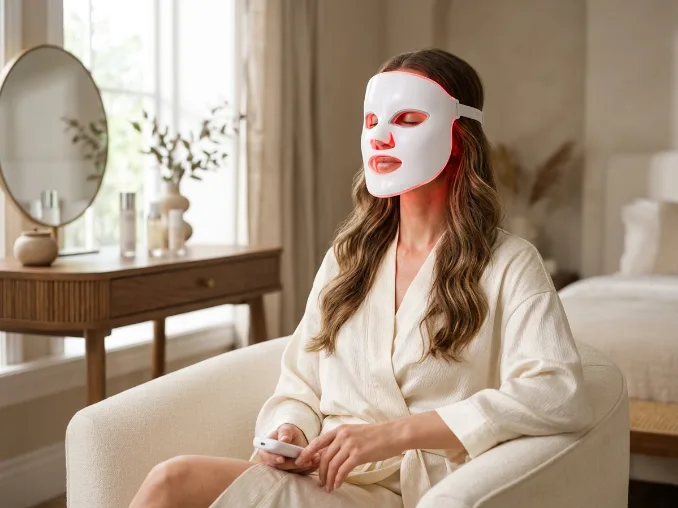
Red light therapy has moved from dermatology offices into everyday skincare routines over the past several years. Red light therapy skincare benefits may include supporting the appearance of fine lines, firmness, texture, redness, and overall skin glow. At-home devices now offer a convenient option for people who want to explore light-based skincare beyond professional treatments.
Results usually develop gradually rather than appearing after one session. Regular use, proper application, and choosing the right device can all affect the experience. This guide explains how red light therapy works, explores its potential skincare benefits, compares it with blue light therapy, and shares practical tips for using it safely.
What Is Red Light Therapy for Skin?
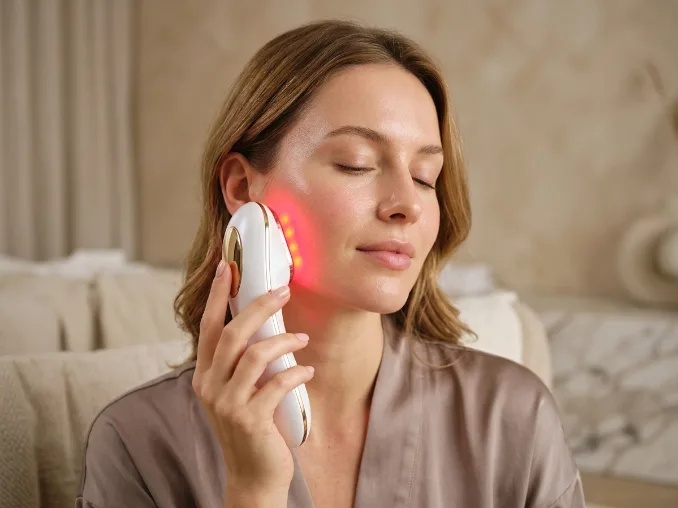
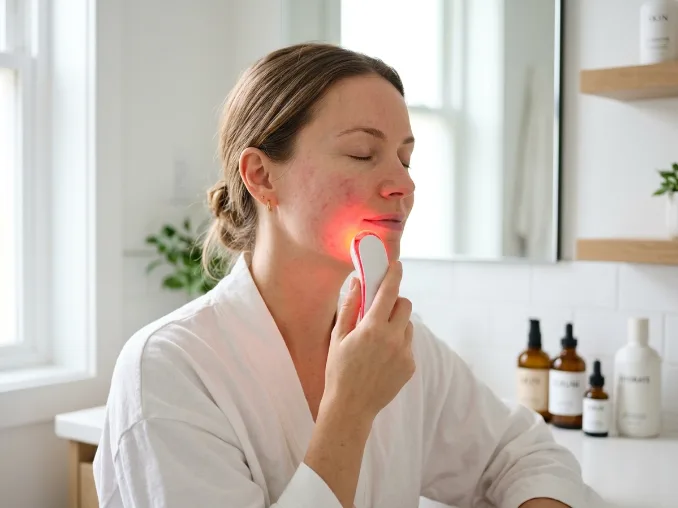
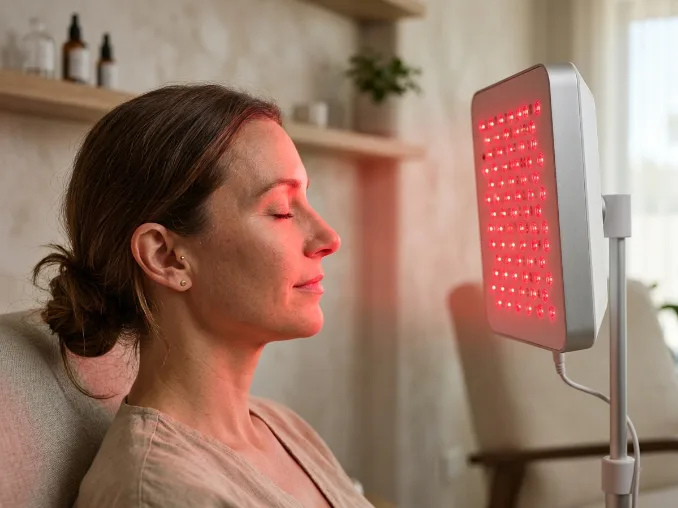
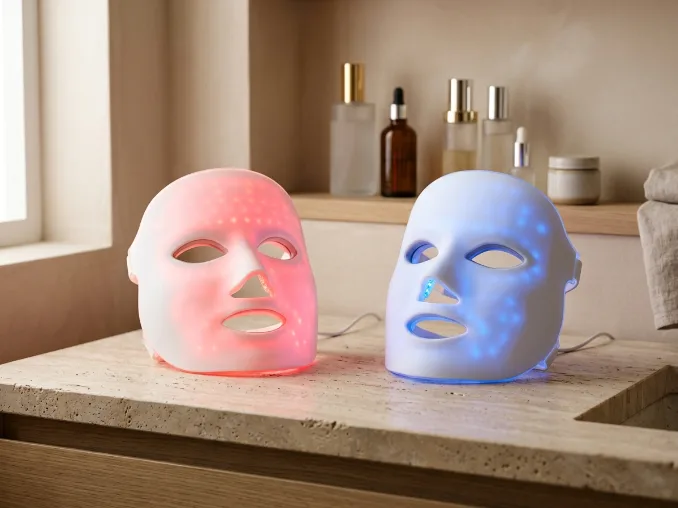
Red light therapy uses red and near-infrared wavelengths to deliver light energy to the skin’s surface and slightly beneath it. Skin-focused LED devices deliver this light through panels, masks, or handheld tools for facial use.
At-home devices generally use lower-intensity light over longer or more frequent sessions, while professional treatments use stronger devices under supervised conditions. This non-invasive approach doesn’t involve needles, chemicals, or downtime, which sets it apart from many other skincare treatments. Unlike topical products that sit on the skin’s surface, red light works by delivering light energy that skin cells may respond to over time.
What Are the Skincare Benefits of Red Light Therapy?
Researchers have studied red light therapy for several possible skin benefits, though evidence varies by specific claim. For a complete routine, you can also explore these tips for natural glowing skin.
1. May Support Collagen Production
Collagen gives skin its structure, and levels naturally decline with age. Red light may influence collagen-related cell activity, which research links to firmer-looking skin over time. This connection also ties into reduced appearance of fine lines for some users.
2. May Reduce the Appearance of Fine Lines
Consistent red light sessions may support a smoother-looking appearance around common problem areas like the eyes and mouth. Results tend to build gradually over weeks rather than appearing after one session. Individual results vary widely depending on skin type, age, and how consistently the device gets used.
3. May Support Firmer-Looking Skin
Skin firmness and elasticity depend partly on the same collagen-related structures mentioned above. Red light may support this process and help skin look and feel more resilient over time. This isn’t an instant tightening effect, and claims suggesting otherwise should be treated with skepticism.
4. May Help Calm Visible Redness
Some people report a calmer-looking complexion after consistent use, particularly around areas prone to visible redness. This may make skin appear less reactive or sensitive-looking overall. Red light therapy isn’t a treatment for diagnosed skin conditions and shouldn’t replace guidance from a dermatologist for anything persistent or severe.
5. May Support Acne-Prone Skin
Red light may play a supportive role for acne-prone skin, often used alongside rather than instead of a regular routine. People use blue light more specifically because it may affect acne-causing bacteria. Anyone dealing with persistent or severe acne should still seek professional guidance rather than relying on light therapy alone.
6. May Improve Overall Skin Texture
Uneven texture, including rough patches or visible pores, may appear smoother with consistent red light use over several weeks. This isn’t a one-time fix, and pairing it with a broader, consistent skincare routine tends to produce better visible results. Texture changes are often more noticeable than dramatic, which sets realistic expectations from the start.

7. May Give Skin a Healthier-Looking Glow
Dull-looking skin may appear more radiant with regular red light sessions over time. This effect reads as a natural-looking glow rather than the immediate shine some cosmetic treatments provide. Red light therapy works better as an ongoing routine addition than as an instant glow treatment before a single event.
8. May Support Skin Recovery
Some people use red light therapy after professional treatments, though they should always follow their provider’s specific guidance. Extra caution applies here, since recently treated skin can be more sensitive than usual. Approach healing claims carefully because red light supports appearance rather than treating any underlying condition.
How Does Red Light Therapy Work on the Skin?
Red and near-infrared wavelengths penetrate the skin’s outer layers, reaching slightly deeper than visible light without the damaging effects associated with UV exposure. Skin cells may respond to this light energy in ways that support natural processes already happening beneath the surface, including those tied to collagen-related activity.
Different wavelengths within the red and near-infrared range may play slightly different roles, which is part of why device specifications matter. Consistency matters because these processes build gradually rather than triggering an immediate visible change. This also explains why results typically aren’t visible right after a single session, and why patience matters more than intensity.
Red Light Therapy vs. Blue Light Therapy for Skin
| Feature | Red Light | Blue Light |
|---|---|---|
| Main Focus | Skin appearance | Acne-focused care |
| Common Goal | Fine lines, firmness, texture | Breakout support |
| Light Type | Red/Near-infrared | Blue |
| Typical Use | Anti-aging routines | Acne routines |
These two therapies serve different purposes and aren’t interchangeable, even though some devices combine both. Red light generally targets appearance-related concerns like firmness and texture, while blue light focuses more specifically on supporting acne-prone skin. Choosing between them, or using both, depends on which concern matters most for your specific routine.
How Often Should You Use Red Light Therapy?
Manufacturer instructions should always guide session length and frequency, since devices vary significantly in intensity and design. Most at-home devices recommend sessions somewhere between ten and twenty minutes, several times a week. More exposure doesn’t automatically mean better results, and overusing a device can sometimes work against the skin rather than for it.
Consistent use over several weeks tends to matter more than any single long session. Giving the process reasonable time, often four to twelve weeks depending on the concern, allows for a fairer assessment of its actual effect on your skin.
How to Use Red Light Therapy in a Skincare Routine
Step 1: Clean Your Skin
Remove makeup, sunscreen, and excess oil before starting a session. Clean skin allows light to reach the surface directly, rather than being partially blocked by product buildup.
Step 2: Use the Red Light Device
Follow the manufacturer’s instructions for distance and session duration exactly as specified. Follow the device’s eye protection instructions every time rather than skipping them for convenience.
Step 3: Apply Your Skincare Products
Apply moisturizer and other hydrating products after the light session rather than before. Checking compatibility with active ingredients, like retinoids or exfoliating acids, helps avoid any unnecessary irritation. You can also follow a simple skincare routine for healthy and glowing skin to keep your routine consistent.
Step 4: Finish With Moisturizer and SPF
A good moisturizer keeps skin comfortable after treatment, especially if any mild warmth lingers. Daytime sunscreen remains essential regardless of red light use, since this therapy doesn’t replace sun protection in any way.
Is Red Light Therapy Safe for Skin?
Experts generally consider red light therapy a non-invasive skincare approach when used as directed. Temporary warmth or mild redness immediately after a session is common and typically fades quickly. Following the device’s correct instructions, including recommended distance and duration, matters for both safety and results.
Use eye protection whenever the device’s instructions require it because repeated exposure can affect the eyes. Avoiding excessive sessions beyond what’s recommended doesn’t speed up results and may increase the risk of irritation. If irritation develops, stop using the device and check with a dermatologist or other professional.
Who Should Be Careful With Red Light Therapy?
People with photosensitivity should talk to a doctor before starting red light therapy. Anyone taking photosensitizing medications should also talk to a doctor before using light therapy. Certain skin conditions may also require a conversation with a dermatologist before adding light therapy.
Recent cosmetic or dermatological procedures can leave skin more sensitive than usual, making a waiting period worth discussing with your provider. Anyone with eye-related concerns should pay particular attention to protective instructions or avoid use near the eyes entirely. In any of these special circumstances, professional guidance beats guessing based on general information.
How to Choose a Red Light Therapy Device
Look for a device with clearly listed wavelengths, since vague or missing specifications make it hard to know what you’re actually getting. A reputable manufacturer with clear usage instructions signals a more trustworthy product overall. Coverage area matters too, since a small handheld device works differently than a larger panel meant for full-face treatment.
Look for specific eye protection information rather than a general safety disclaimer. Safety certifications, where applicable for your region, add another layer of confidence in a product’s quality. A recommended session schedule, realistic product claims, and clearly stated intended use all point toward a device worth considering over one that promises dramatic, instant results.
Red Light Therapy Before and After: What Results Can You Expect?
Several factors shape results, including skin concerns, age, and how consistently you follow your routine. Device quality also plays a real role, since not all red-light products deliver the same intensity or wavelength accuracy. Consistency remains the single biggest factor across nearly every documented benefit.
Expect appearance changes around fine lines, texture, firmness, and glow rather than a dramatic transformation. View before-and-after photos online with some skepticism because lighting differences can make results look more dramatic than they actually are. Realistic expectations, paired with patience, tend to produce a more satisfying experience overall.
Red Light Therapy Skincare Benefits: Quick Comparison
| Benefit | Potential Visible Result |
|---|---|
| Collagen Support | Firmer-looking skin |
| Fine Lines | Smoother-looking appearance |
| Redness | Calmer-looking skin |
| Texture | More even-looking skin |
| Glow | More radiant appearance |
| Acne Support | Complementary skincare support |
| Recovery | Healthier-looking appearance |
Conclusion
Red light therapy skincare benefits span a wide range of appearance-related concerns, from collagen support and fewer visible fine lines to firmness, texture, redness, and glow. None of these outcomes happen overnight, and consistency matters far more than intensity or frequency alone. Choosing a well-specified device and following its instructions carefully supports both safety and any realistic results you’re hoping for.
Ultimately, the right approach depends on your specific skin concerns and how they fit into a routine you can actually stick with.
Try Red Light Therapy as Part of Your Skincare Routine
Think about which benefit matters most for your skin, from firmness to texture to an overall glow, and start there. Introduce red light therapy gradually into your existing routine, following your device’s instructions closely from the very first session.
Related Articles
Explore more topics in this category
Winter Lip Care Routine: 12 Tips for Smooth, Healthy Lips
Cold air and dry indoor heat team up every winter to leave lips cracked and uncomfortable. A complete winter lip care…

8 Proven Home Remedies to Transform Your Daily Health
I remember the night when a terrible sore throat kept me awake for hours before an important presentation. My grandmother gently…
7 Best Tips for Slugging Skincare: Overnight Dew
If you’ve spent any time on TikTok lately, you’ve probably seen people covering their faces in petroleum jelly before bed. While…

Mila
Beauty content creator and chief editor at EasyBeautyHacks. Dedicated to testing and sharing the best DIY skincare treatments, makeup techniques, and time-saving hair hacks. Mila helps women elevate their daily beauty routines without spending a fortune.
Read more about Mila →