
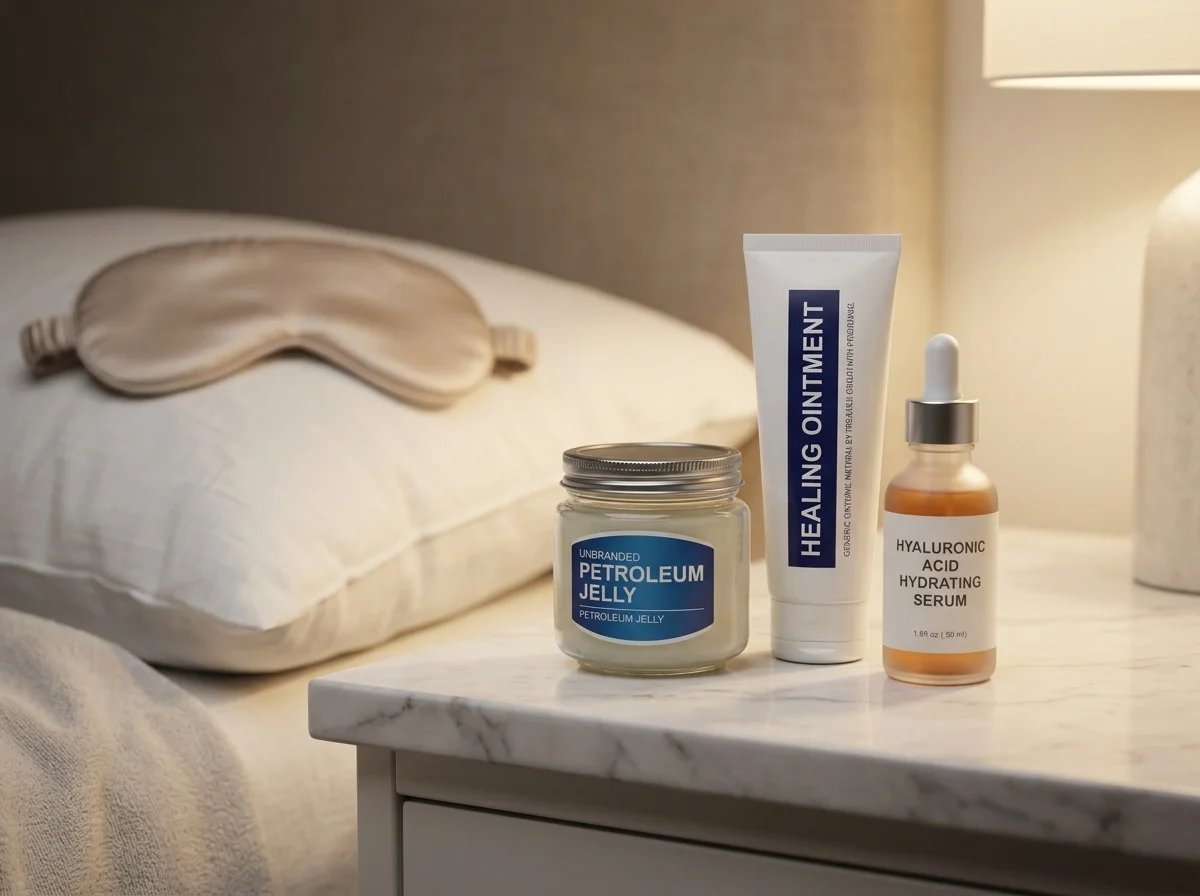
If you’ve spent any time on TikTok lately, you’ve probably seen people covering their faces in petroleum jelly before bed. While the name sounds a bit strange, slugging skincare has become the ultimate hack for anyone dealing with a compromised skin barrier or persistent dryness. This viral K-beauty trend is taking the world by storm because it actually works for deep hydration.
The logic is simple: by applying a thick, occlusive layer over your regular products, you’re creating a physical seal. This prevents transepidermal water loss while you sleep, making this routine a lifesaver for dry or flaky skin types. In this guide, I’ll break down exactly how to do it without making a mess on your pillowcase.
What Is Slugging Skincare?
Simple Explanation of Slugging
At its core, slugging skincare is the act of slathering a petroleum-based balm or occlusive ointment over your face as the final step of your evening routine. The term comes from the “shiny” or “slimy” look your skin gets, resembling you guessed it a slug.
The product itself doesn’t actually moisturize your skin in the traditional sense. Instead, occlusives work by sitting on top of the skin to trap the moisture you’ve already applied through serums and creams.
Why Slugging Became So Popular
While it went viral recently, this isn’t a new invention. Mothers and grandmothers have been using Vaseline for decades to heal dry patches. However, the modern obsession grew out of the Korean skincare world, which emphasizes a “glass skin” look. Because slugging skincare is so affordable most ointments cost under $15 it became a massive hit for people wanting deep hydration.
Benefits of Slugging Skincare
Helps Keep Skin Hydrated Overnight
Normally, our skin undergoes “transepidermal water loss” while we sleep. By using the slugging skincare technique, you ensure that the hydrating serum you applied actually stays in your pores rather than evaporating into your pillowcase.
Supports Damaged Skin Barrier
I’ve had times where I went too heavy on the retinol, leaving my face red and stinging. Slugging skincare is like a reset button. It calms down flaky patches and helps that raw, tight feeling disappear by morning, especially during winter months.
Budget-Friendly Skincare Routine
You don’t need a fancy device or a expensive prescription. A tub of Vaseline at a drugstore like Target or CVS usually costs about $5 to $7 and lasts for months. Even the slightly “fancier” healing ointments are rarely more than $15.
Gives Skin a Healthy Glow
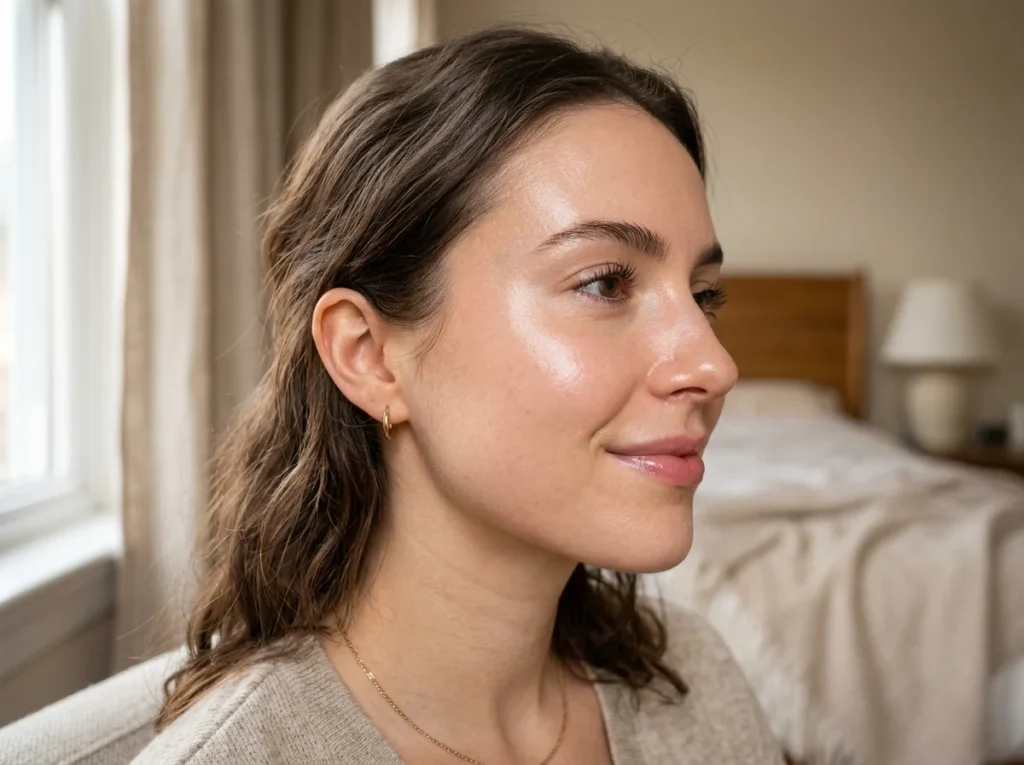
When your skin is properly hydrated, it reflects light better. Many people notice that after a night of slugging skincare, their skin looks plumper and more “alive” the next morning, which also makes makeup application a lot smoother.
Common Benefits People Notice:
- Immediate relief from dryness
- Softer skin texture
- Significantly reduced tightness in the morning
- Better overall hydration levels
Best Products for Slugging Skincare
Drugstore Products for Beginners
You don’t need to overthink the product. The goal is 100% petroleum jelly or a balm with high concentrations of it.
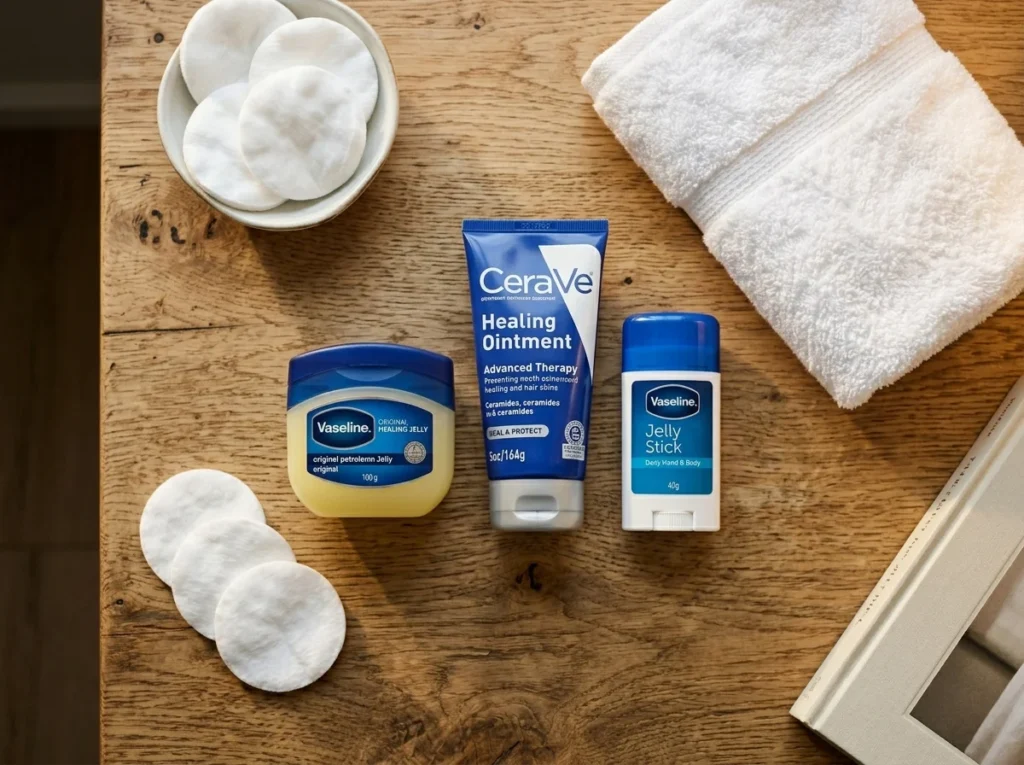
- Vaseline: The original and most affordable.
- Aquaphor Healing Ointment: Contains lanolin and glycerin.
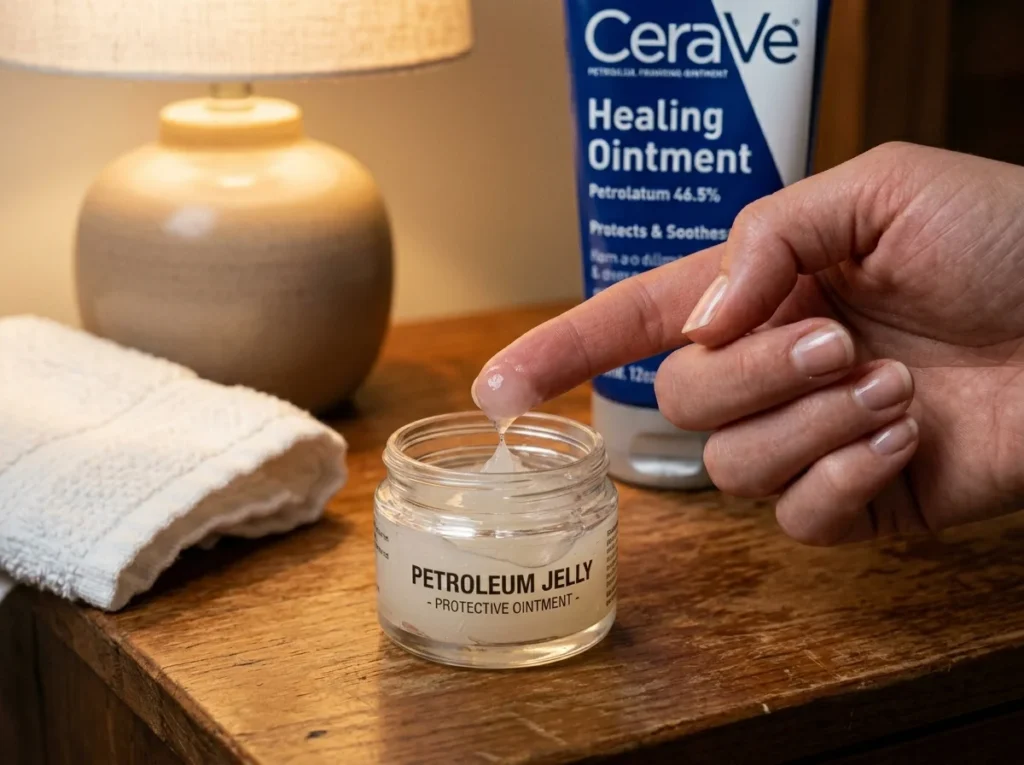
- CeraVe Healing Ointment: A fan favorite because it includes ceramides.
Lightweight Options for Sensitive Skin
If the idea of pure grease feels too much, look for fragrance-free balm-to-cream formulas. Always check the label at Amazon or Target to ensure there are no hidden perfumes that could irritate your skin while it’s trapped under that seal.
Products to Avoid While Slugging
This is a big one. Do not slug over strong actives. If you apply a heavy occlusive over high-strength retinol, AHAs, or BHAs, you are making those ingredients much more potent and likely to burn your skin.
Budget-Friendly Product Ideas:
- Vaseline Jelly Stick ($6): Great for a mess-free application.
- Aquaphor Baby ($10): Often the same formula but comes in convenient travel tubes.
- Store Brands: Honestly, the Up & Up or Equate versions work just as well as the name brands.
Step-by-Step Guide: How to Do Slugging Skincare at Home
Step 1 Cleanse Your Face
Start with a clean slate. Use a gentle cleanser to remove makeup, dirt, and SPF. If you leave dirt on your face and then start your slugging skincare routine over it, you’re just trapping bacteria in your pores.
Step 2 Apply Hydrating Skincare
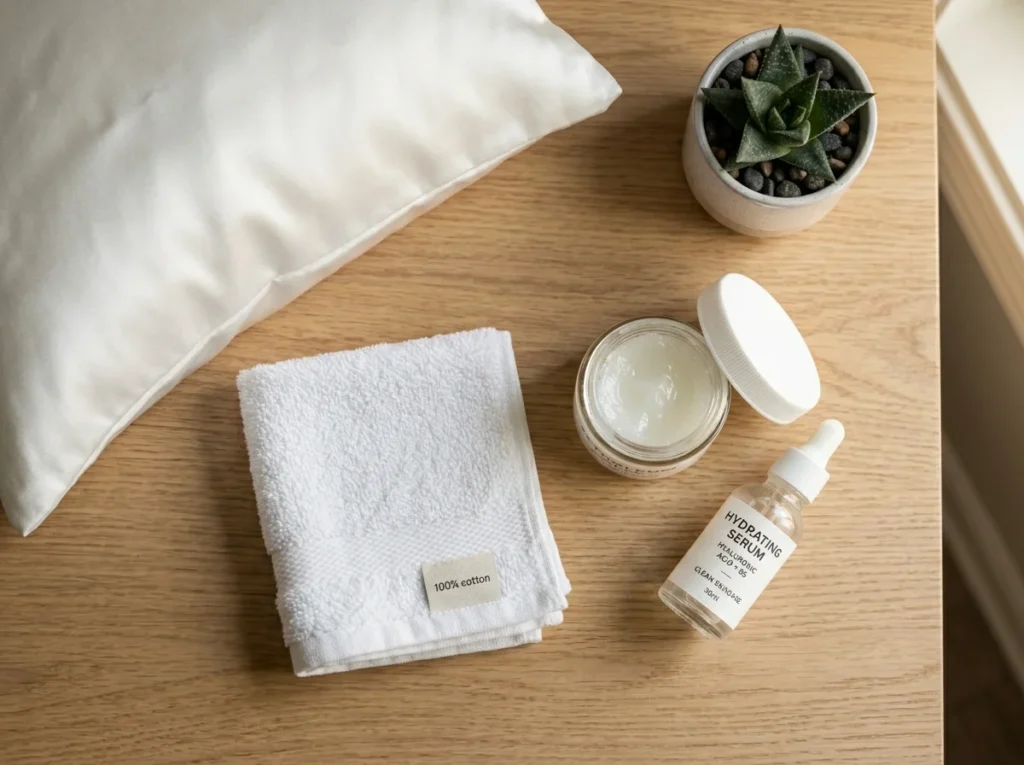
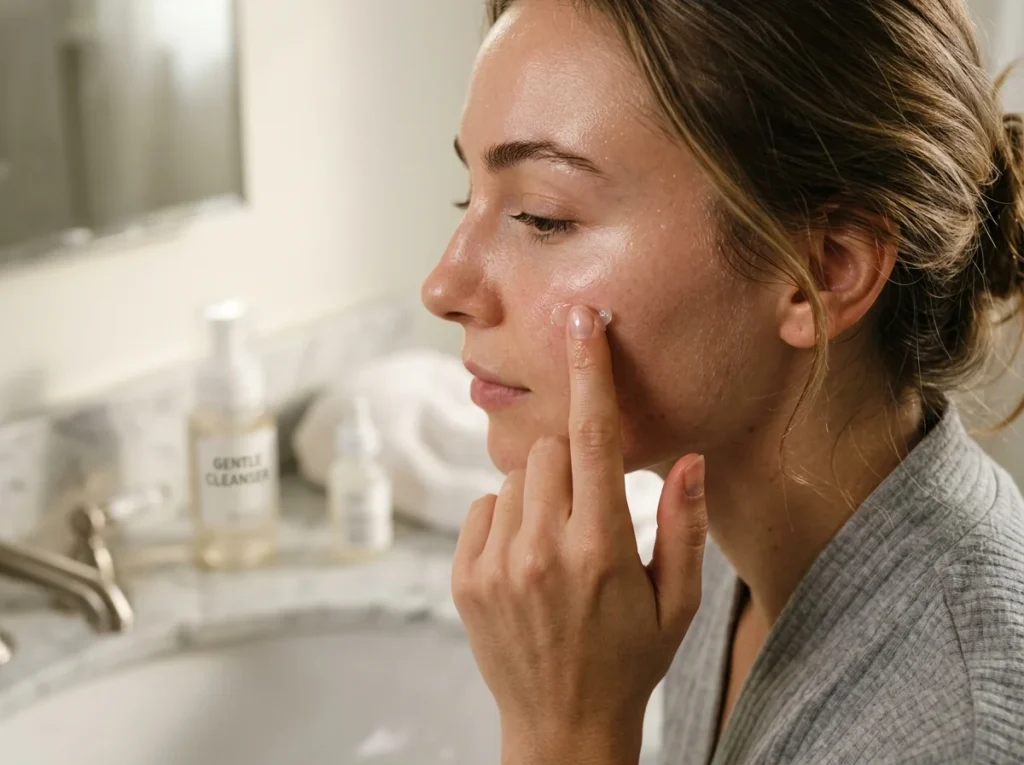
On damp skin, apply a hydrating serum (like Hyaluronic Acid) followed by your regular moisturizer. Wait about two minutes for it to sink in slightly before moving to the next step of slugging skincare.
Step 3 Apply a Thin Layer of Occlusive
Take a pea-sized amount of your ointment. Warm it between your fingers and gently pat it over your face. You don’t need a thick mask; a thin, even layer is plenty for overnight hydration.
Step 4 Leave It Overnight
Try to do this about 30 minutes before bed so it sets a bit. I highly recommend using a clean cotton pillowcase or even laying a clean towel over your pillow if you’re worried about the grease.
Common Slugging Skincare Mistakes to Avoid
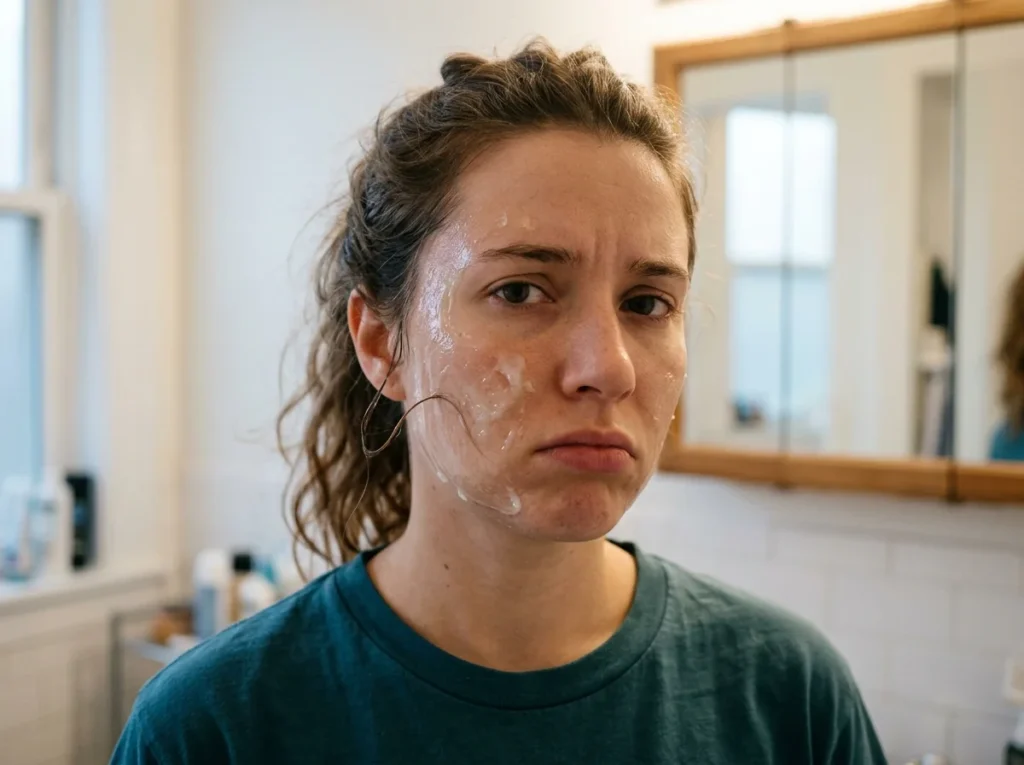
I’ll be honest: I messed this up the first few times. My biggest mistake was thinking “more is better.” I put on so much Aquaphor that I stuck to my pillow, and I woke up with a tiny breakout on my chin.
Using Too Much Product
If you look like you’re wearing a Halloween mask, you’ve gone too far. A thick layer doesn’t work better than a thin one; it just makes a mess and can potentially lead to clogged pores or tiny white bumps.
Slugging Over Active Acne
If you have an active, pus-filled breakout, skip those spots. Slugging skincare is amazing for dryness, but for oily or acne-prone skin, it can sometimes trap too much oil and make a breakout linger longer.
Skipping Moisturizer Before Slugging
I once tried slugging skincare on bare skin because I was lazy. Bad move. Since petroleum jelly doesn’t add moisture, I just ended up with greasy, dry skin. You must have a hydrating layer underneath.
Common Beginner Problems:
- Sticky pillowcases: Solution tie your hair back.
- Feeling “suffocated”: If your skin feels too hot, you used too much product.
- Applying too often: If you do this every night on oily skin, you might notice issues.
![applying ointment over moisturizer]
Is Slugging Skincare Good for Acne-Prone Skin?
Who Should Be Careful With Slugging
If you have very oily skin or struggle with fungal acne, you should be cautious. Petroleum molecules are too large to clog a pore themselves, but they are very good at trapping your skin’s natural oils (sebum) underneath.

Skin Types That Usually Benefit Most
- Dry Skin: The absolute gold standard for this group.
- Sensitive Skin: Great for protecting against windburn.
- Dehydrated Skin: Perfect for when your skin feels “thirsty.”
When to Talk to a Dermatologist
If you notice persistent red bumps or an itchy rash after trying slugging skincare, stop immediately. If you have chronic eczema or rosacea, it’s always smarter to check with a professional first.
Best Tips for Better Slugging Skincare Results
Apply Products on Slightly Damp Skin
This is the secret sauce. Moisture loves moisture. If you apply your serum while your face is still slightly damp, your slugging skincare routine will trap way more hydration.
Use Thin Layers
Think of it like a light glaze, not a deep-dish pizza. You should be able to touch your face without a huge glob coming off on your finger.

Keep Pillowcases Clean
Change your pillowcase the morning after you perform slugging skincare. The leftover ointment can collect dust, which you don’t want to press back into your face the next night.
Extra Skincare Tips:
- Drink enough water
- Avoid harsh cleansers
- Protect skin barrier
- Use sunscreen daily
Conclusion
Slugging skincare is one of the few trends that actually lives up to the hype because it’s based on basic science: keeping moisture where it belongs. It’s a lifesaver for dry, flaky skin and a great way to repair a skin barrier that’s been through too much. Just remember to start slow, keep the layers thin, and avoid using it on top of harsh acne treatments.
Ready to wake up with the softest skin of your life? Grab a tub of Vaseline tonight and give your skin the moisture seal it deserves your glowing morning reflection will thank you!
FAQs
Q1: Can I use Vaseline for slugging skincare?
Yes, 100% pure white petrolatum (Vaseline) is the most common and effective product used for this technique.
Q2: How often should I do slugging skincare?
Most people find success doing it 2–4 times a week. If you have very dry skin, you can do it more often.
Q3: Does slugging clog pores?
Petroleum jelly itself is non-comedogenic. However, it can trap oils and dead skin cells, so it’s vital to start with a very clean face.
Q4: Is slugging good for oily skin?
It can be, but be careful. If you have oily but dehydrated skin, it might help. For heavy acne, only slug on dry patches.
Q5: What should I apply before slugging skincare?
The best “sandwich” is: Cleanse -> Hydrating Serum -> Basic Moisturizer -> Slugging Ointment.
Related Articles
Explore more topics in this category
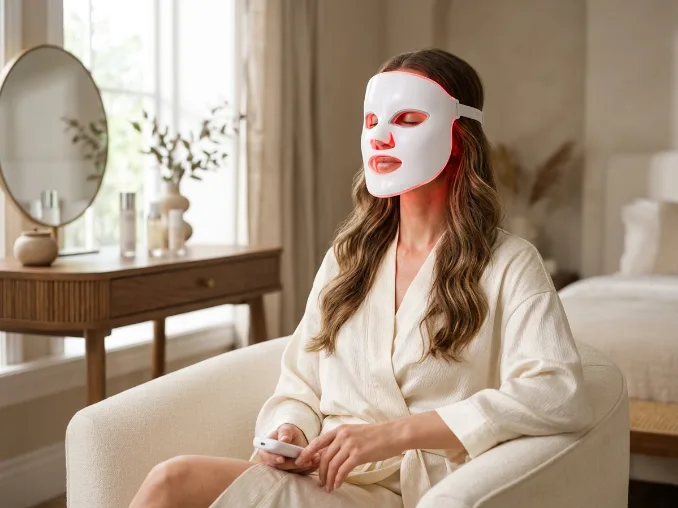
Red Light Therapy Skincare Benefits: Amazing Skin Guide
Red light therapy has moved from dermatology offices into everyday skincare routines over the past several years. Red light therapy skincare…
Winter Lip Care Routine: 12 Tips for Smooth, Healthy Lips
Cold air and dry indoor heat team up every winter to leave lips cracked and uncomfortable. A complete winter lip care…

8 Proven Home Remedies to Transform Your Daily Health
I remember the night when a terrible sore throat kept me awake for hours before an important presentation. My grandmother gently…

Mila
Beauty content creator and chief editor at EasyBeautyHacks. Dedicated to testing and sharing the best DIY skincare treatments, makeup techniques, and time-saving hair hacks. Mila helps women elevate their daily beauty routines without spending a fortune.
Read more about Mila →