
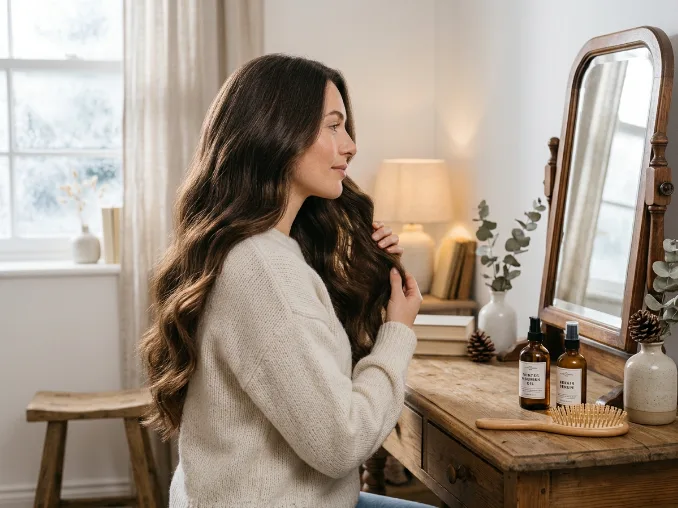
Static, flyaways, and frizz seem to show up the moment winter arrives, no matter how smooth hair looked in summer. These winter hair care tips can help manage the dryness caused by cold air and indoor heating. I spent one whole December fighting frizz with the wrong products before realizing my routine needed to change for the season, not just the weather forecast.
This guide covers ten winter hair care tips for taming frizz, ingredient guidance, common mistakes, and simple habits that keep hair smoother through the coldest months.
Why Does Hair Get So Frizzy in Winter?
A few things can make winter especially hard on your hair.
Cold air contains less moisture, so your hair can lose moisture and feel dry. Indoor heating makes the air even drier and can leave your hair feeling rough. Static also increases when dry air mixes with hats, scarves, and synthetic fabrics rubbing against your hair. Hot showers can remove natural oils from your hair and leave it feeling dry and frizzy.
| Winter Cause | How It Affects Hair |
|---|---|
| Cold, dry air | Makes hair feel dry and rough |
| Indoor heating | Reduces moisture in the air |
| Hats and scarves | Create friction and static |
| Hot showers | Remove natural oils from hair |
| Dry hair | Makes frizz and flyaways easier to notice |
10 Winter Hair Care Tips to Tame Frizzy Hair
1. Switch to a Hydrating Shampoo and Conditioner
A moisture-focused formula replaces what winter air takes away better than a clarifying or volumizing shampoo does this time of year. Look for ingredients like shea butter, glycerin, or hyaluronic acid on the label. Switching just this one product often makes a noticeable difference within the first week.
2. Lower Your Shower Water Temperature
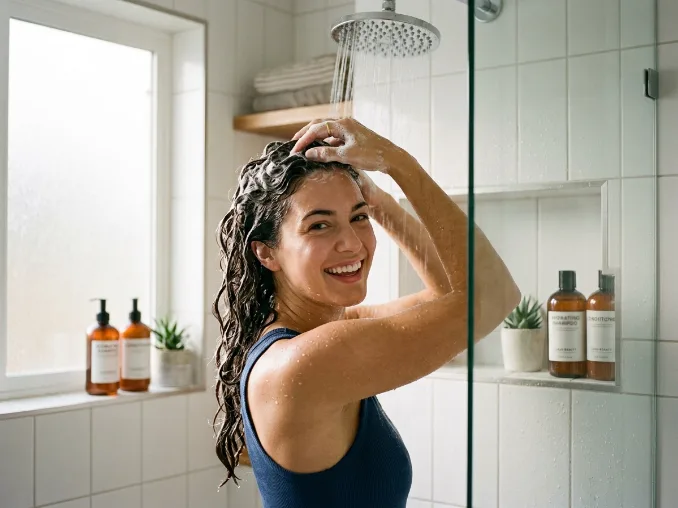
Hot water feels good on a cold day but strips natural oils that keep hair smooth. A lukewarm rinse, especially at the end of your shower, helps seal the cuticle instead of opening it further. This small habit protects both hair and skin from unnecessary dryness.
3. Add a Weekly Deep Conditioning Treatment
A deeper mask once a week gives hair more sustained moisture than daily conditioner alone. Protein hair treatments can also help strengthen damaged strands when your hair needs more support. Leaving it on for the time recommended on the label makes a noticeable difference by the following morning. A warm towel wrapped around hair while the mask sits helps the product absorb more effectively.
4. Apply a Leave-In Conditioner or Hair Oil
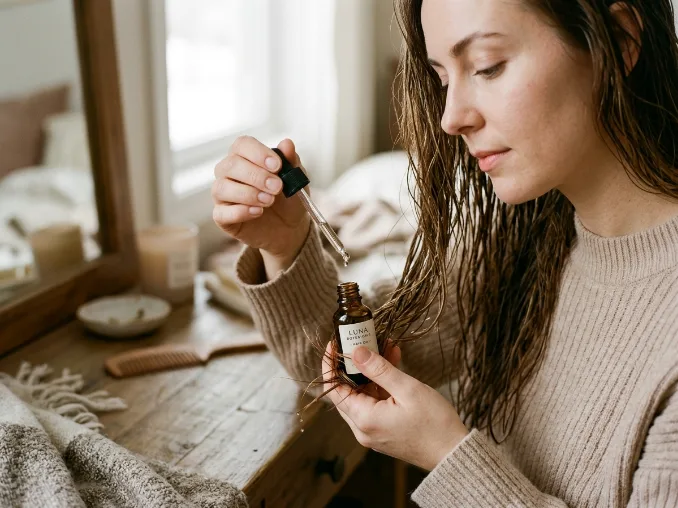
A leave-in product applied to damp hair adds a protective layer against dry winter air. A few drops of lightweight oil on the ends locks in moisture without weighing hair down. Focusing product from mid-length to ends, rather than the roots, prevents hair from looking greasy too quickly.
5. Use a Humidifier at Home
Adding moisture back into dry indoor air benefits both skin and hair. Running a humidifier overnight, especially in the bedroom, keeps hair from drying out while you sleep. Even a small tabletop unit makes a measurable difference in a single room.
6. Protect Hair Before Going Outside
Wind and cold air both strip moisture fast, especially on an uncovered head. A soft hat or hood lined with silk or satin protects hair without causing extra friction and frizz. Tucking hair inside a scarf on especially windy days adds another layer of protection.

7. Switch to a Silk or Satin Pillowcase
Cotton pillowcases pull moisture from hair and create friction overnight, which adds to frizz by morning. Silk or satin lets hair glide instead of catching, which helps preserve whatever smoothness you started the night with. This swap also tends to help with skin, since the same friction affects the face too.

8. Avoid Overwashing Your Hair
Washing too often strips natural oils that hair needs even more during winter. Stretching washes out by a day or two, with a dry shampoo in between, helps hair hold onto its own moisture. Focusing shampoo only on the scalp, rather than the full length, also helps stretch washes further.
9. Use a Microfiber Towel Instead of Cotton
Regular towels create friction that roughs up the hair cuticle and increases frizz. A microfiber towel or an old cotton t-shirt absorbs water more gently, which keeps hair smoother once it dries. Squeezing rather than rubbing hair dry makes an equally noticeable difference.
10. Trim Regularly to Remove Dry Ends
Dry, damaged ends catch more frizz and tangle more easily than healthy hair. A trim every couple of months during winter keeps split ends from working their way further up the strand. Healthy ends also hold styles better, which means less daily effort fighting frizz.
What Should You Look for on Ingredient Labels This Season?
A few ingredients matter more in winter than they do the rest of the year.
Humectants like glycerin can help attract and retain moisture, while emollients like shea butter and oils help soften the hair. Avoiding sulfates in shampoo also helps, since sulfates strip natural oils that hair already struggles to hold onto during colder months.
Reading labels once and finding a few reliable products saves time compared to constantly switching things up throughout the season.
Common Winter Hair Mistakes That Make Frizz Worse
A handful of small habits quietly work against everything else on this list.
Skipping Conditioner to Save Time
Rushing through a shower and skipping conditioner leaves hair without the moisture it needs most this season. Even a quick conditioning step makes a noticeable difference by the end of the day.
Brushing Hair When It’s Completely Dry
Dry brushing creates friction that roughs up the cuticle and adds static. Brushing damp hair, or using a leave-in product first, reduces this significantly.
Using Heat Styling Tools Without Protection
Skipping heat protectant during winter, when hair is already more fragile, speeds up damage and dryness. A quick spray before styling protects hair from additional stress.
Wearing Wool Hats Directly on Hair
Wool against bare hair creates friction and static almost immediately. A thin silk or satin liner inside a hat prevents this while still keeping your head warm.
Ignoring Scalp Health
Focusing only on the ends while ignoring the scalp can lead to dryness and flaking that affects the whole head of hair. A gentle scalp massage with oil once a week supports healthier hair overall.
Winter Hair Care: Do’s and Don’ts
| Do | Don’t |
|---|---|
| Use lukewarm water | Use very hot water |
| Condition after washing | Skip conditioner |
| Dry hair gently | Rub hair with a rough towel |
| Protect hair outdoors | Leave hair exposed in strong wind |
| Use heat protectant | Style with heat without protection |
Helpful Tips to Keep Hair Smooth All Winter
A few small habits, beyond the main ten steps, help hair stay smoother between wash days.
- Apply products to damp hair, since most leave-ins and oils absorb better before hair fully dries.
- Sleep with hair loosely braided to reduce tangling and friction overnight.
- Drink enough water daily, since hydration affects hair just as much as skin.
- Avoid touching hair too often, since hands transfer oil unevenly and can increase frizz in some areas.
- Choose a wide-tooth comb over a fine brush when detangling wet hair, since it’s gentler on fragile, damp strands.
- Wait to style until hair is mostly dry, since styling soaking-wet hair often leads to more frizz once it fully dries.
Does Hair Type Change How You Should Handle Winter Frizz?
Not every hair type responds to frizz the same way, so the routine can shift slightly depending on texture and how it holds moisture naturally.
Fine hair often needs lightweight products, since heavier oils can weigh it down and make it look flat rather than smooth. Thick or coarse hair usually tolerates richer leave-ins and oils better, since it takes more product to actually see a difference. Curly hair tends to need the most moisture overall, since its shape already makes it more prone to dryness. Straight hair shows static and flyaways more visibly, since there’s less natural texture to hide them within.
Adjusting product weight and frequency to your specific hair type, rather than following a one-size-fits-all routine, makes the biggest difference in how well any of these tips actually work for you.
How Long Does It Take to See Less Frizz?
Most people notice some improvement within the first week of a consistent routine.
Deeper changes, like fully repaired ends or a noticeably smoother texture, usually take three to four weeks of steady care. Switching too many products at once makes it harder to tell what’s actually working, so introducing changes gradually helps track real progress. Staying consistent through the whole season matters more than any single product, since winter conditions keep testing hair the entire time.
How to Prevent Winter Hair Static and Flyaways?
Winter dryness can make static and flyaways much harder to control. Hats, scarves, and sweaters can also create friction that makes hair stand up.
Use a little leave-in conditioner or lightweight hair oil to smooth stubborn strands. Choose hats with a soft lining and avoid rubbing your hair with rough fabrics. Keeping your hair moisturized throughout winter can also help reduce static and keep flyaways under control.
Conclusion
Winter frizz does not always require a completely new haircare routine. Simple changes, like using gentler products and protecting your hair from friction, can make a noticeable difference. Keeping your hair moisturized and avoiding harsh habits can also help you manage dryness throughout the colder months. If you want to improve your overall hair routine, these hair growth tips can give you more helpful ideas.
Ready to Update Your Winter Hair Routine?
Start with two or three tips from this list and build the rest of your routine gradually. Staying consistent through the colder months can help keep frizz under control better than relying on one product. A little effort now can save you from fighting the same frizz all winter long.
Related Articles
Explore more topics in this category

9 Ultimate Slicked Back Hairstyles Trends For A Sharp Look
In the world of personal grooming, a flawless hair profile can completely transform your entire presentation. This ultimate style guide will…
Heatless Silk Curls: 5 Safe Rules for Flawless Overnight Hair
I ruined my hair ends last year by using a curling iron every single weekend. My hair became so dry and…
7 Splendid Castor Oil Serums to Boost Everyday Hair Growth
I remember the first night I walked into my bedroom after deciding to mix a thick golden liquid with soothing aloe….

Mila
Beauty content creator and chief editor at EasyBeautyHacks. Dedicated to testing and sharing the best DIY skincare treatments, makeup techniques, and time-saving hair hacks. Mila helps women elevate their daily beauty routines without spending a fortune.
Read more about Mila →