
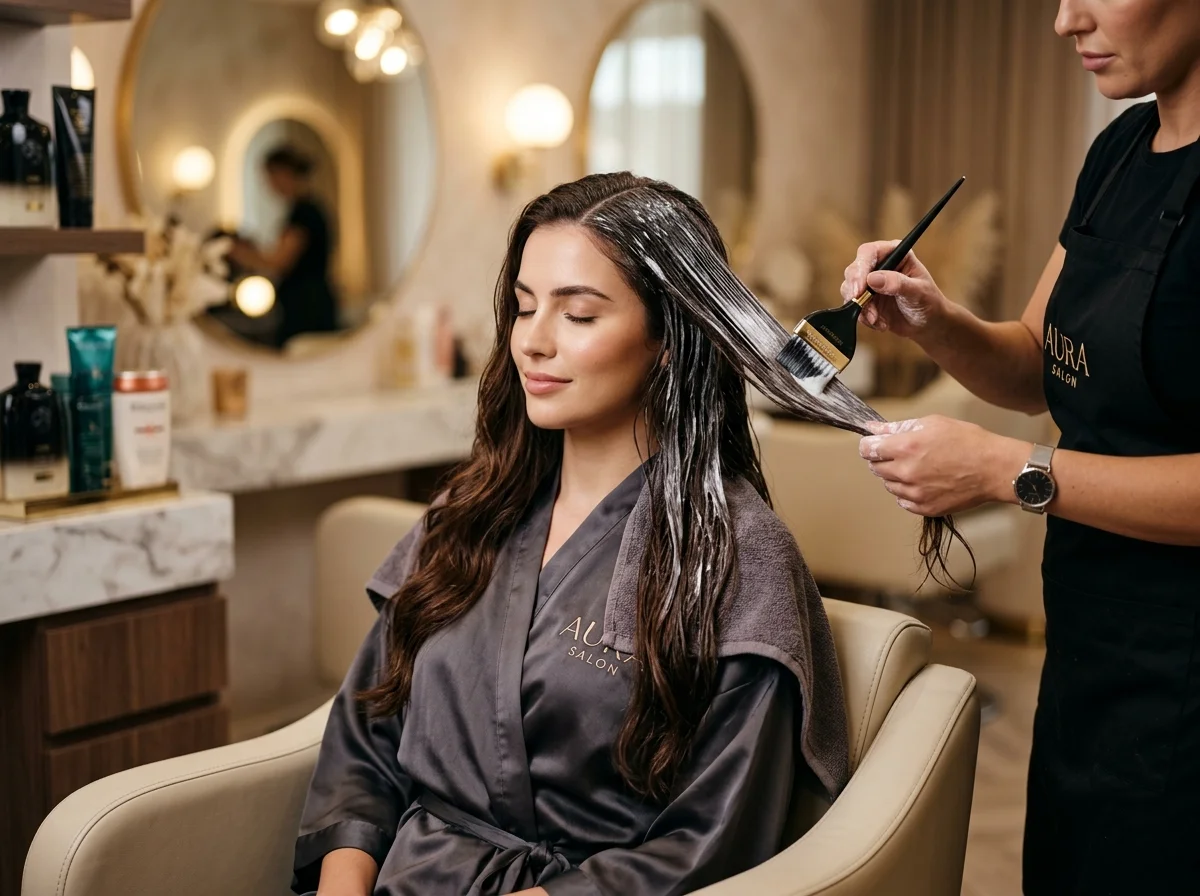
Struggling with hair that feels like straw or snaps at the slightest touch? Your hair consists of keratin protein which maintains its natural strength and elasticity. Heat styling and chemical products often break these essential bonds during your daily routine. A protein hair treatment serves as the ultimate solution to rebuild your hair structure.
This comprehensive guide helps you identify if your hair lacks vital nutrients. You will learn to restore professional-grade shine using the best protein treatment.
What Is a Protein Hair Treatment?
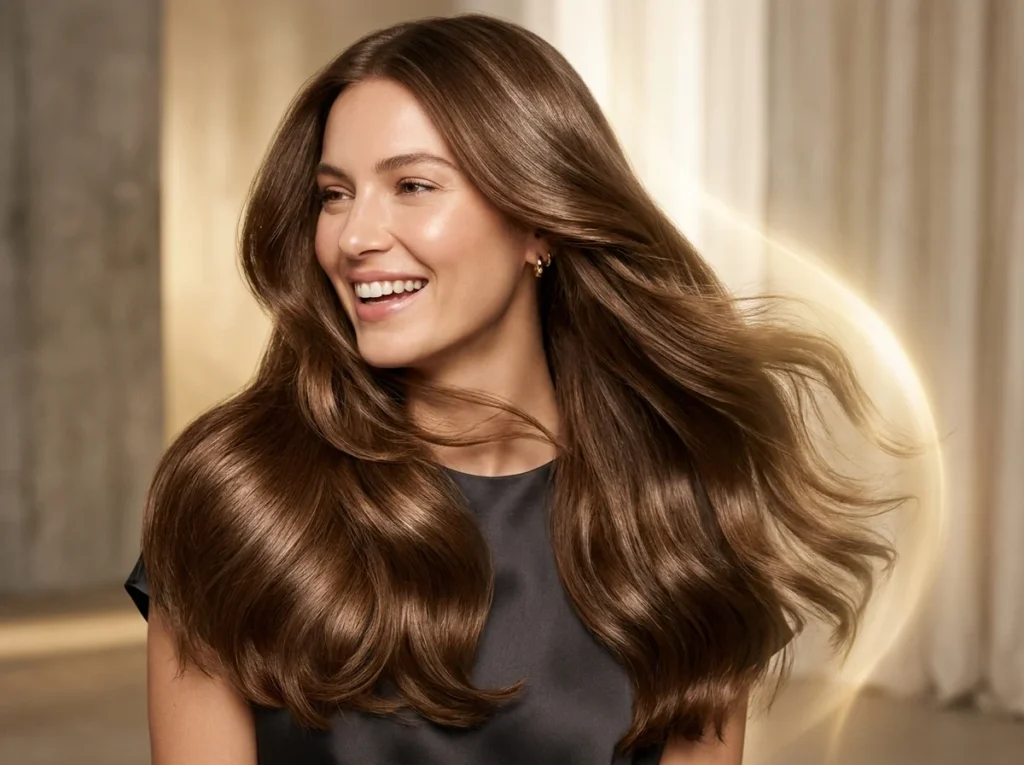
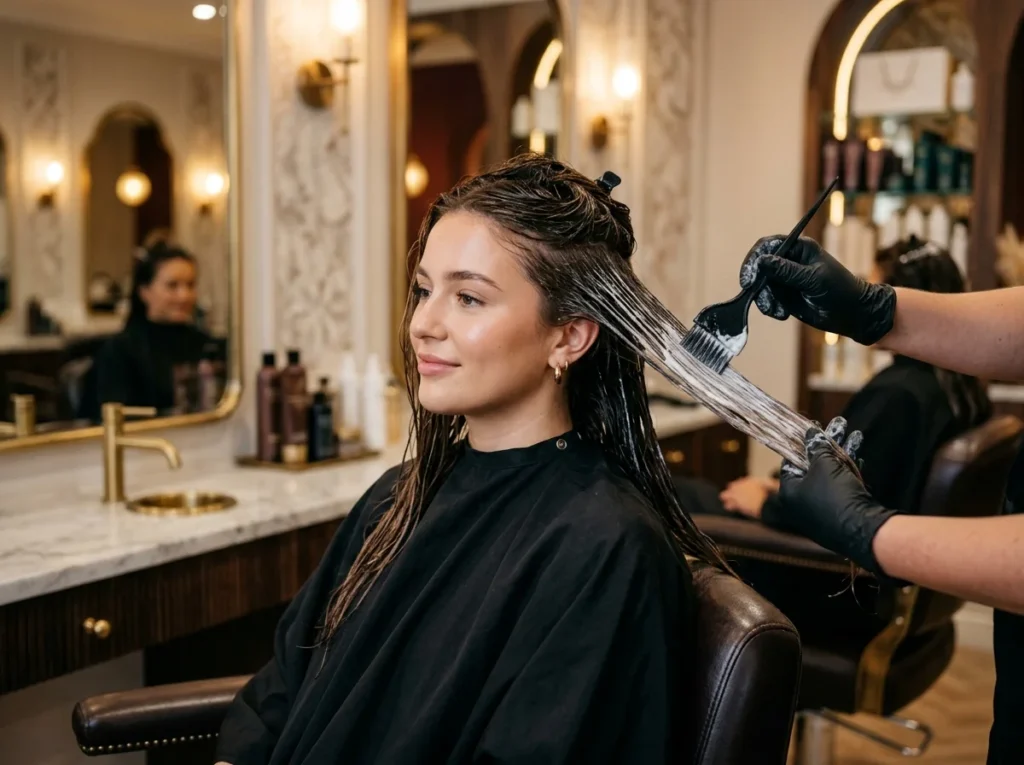
Expert stylists define a protein hair treatment as a corrective chemical procedure for hair. Your hair fiber primarily contains a tough structural protein called keratin for durability. Daily environmental stressors and hard water minerals constantly attack this natural protein shield. A professional protein hair treatment replaces these lost nutrients to maintain a vibrant appearance.
Hydrolyzed proteins attach directly to the hair cuticle to fill existing microscopic gaps. This specific biological process within the protein hair treatment hardens the hair shaft effectively. It significantly increases the overall resistance of your hair against daily physical damage. You should apply a protein hair treatment to reinforce every single damaged hair strand.
Identifying the Difference Between Protein and Moisture Needs
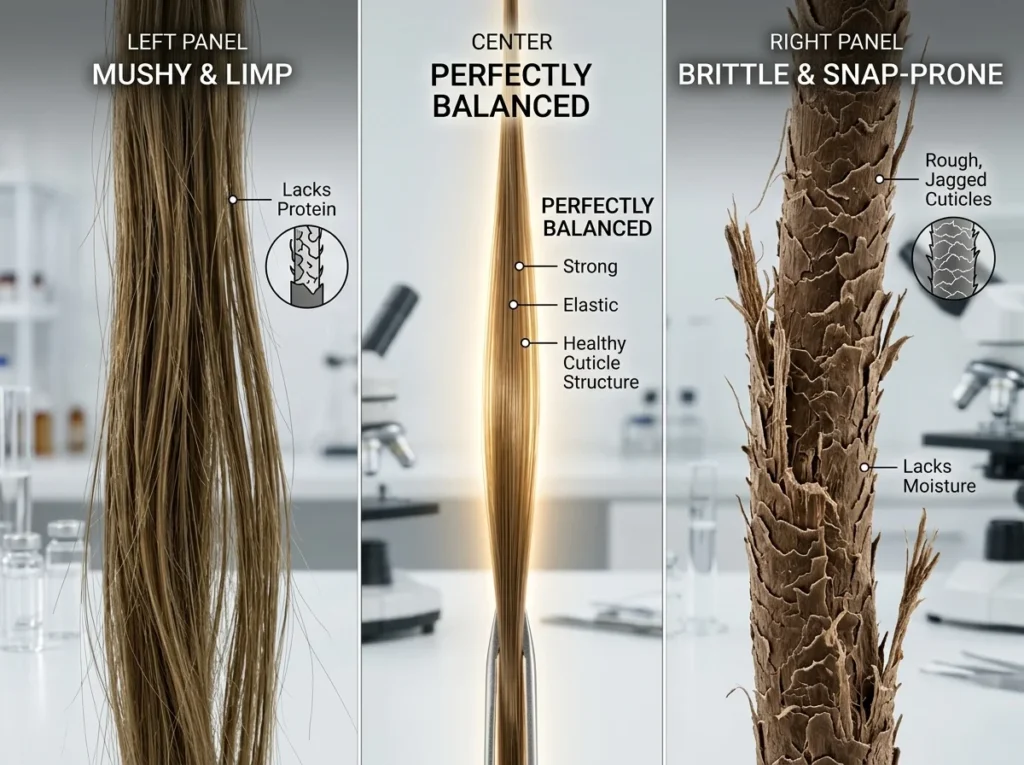
You must distinguish between protein deficiency and moisture loss to treat your hair correctly. Moisture-starved hair feels extremely dry, tangled, and rough to the touch during the day. Protein-starved hair feels weak, limp, and lacks the structural integrity to hold any style. You should perform a simple strand test to determine exactly what your hair requires.
- Limp and Mushy: This indicates a serious lack of structural protein.
- Brittle and Dry: This suggests your hair needs deep hydration immediately.
- Constant Snapping: This is a sign of poor elasticity and protein loss.
- Tangled Knots: This usually happens when the cuticle lacks sufficient moisture levels.
Using a protein hair treatment on already brittle hair can cause more damage today. You must ensure your hair feels soft before adding any strengthening protein masks.
Balanced hair stretches slightly and returns to its original shape without snapping or breaking. Achieving this perfect state requires a rotating schedule of both nourishing treatments.
Exceptional Benefits of Protein Hair Treatment
You should prioritize the protein treatment benefits to achieve a salon-quality look. This treatment significantly improves the overall quality of your damaged tresses immediately. Consider these primary advantages of adding protein to your regular hair care regimen:
- Reduces Breakage: It fills weak spots to prevent snapping.
- Strengthens Strands: It reinforces the shaft against heat damage.
- Enhances Shine: Smoother cuticles reflect more natural light easily.
- Controls Frizz: Sealing the pores prevents excess moisture absorption.
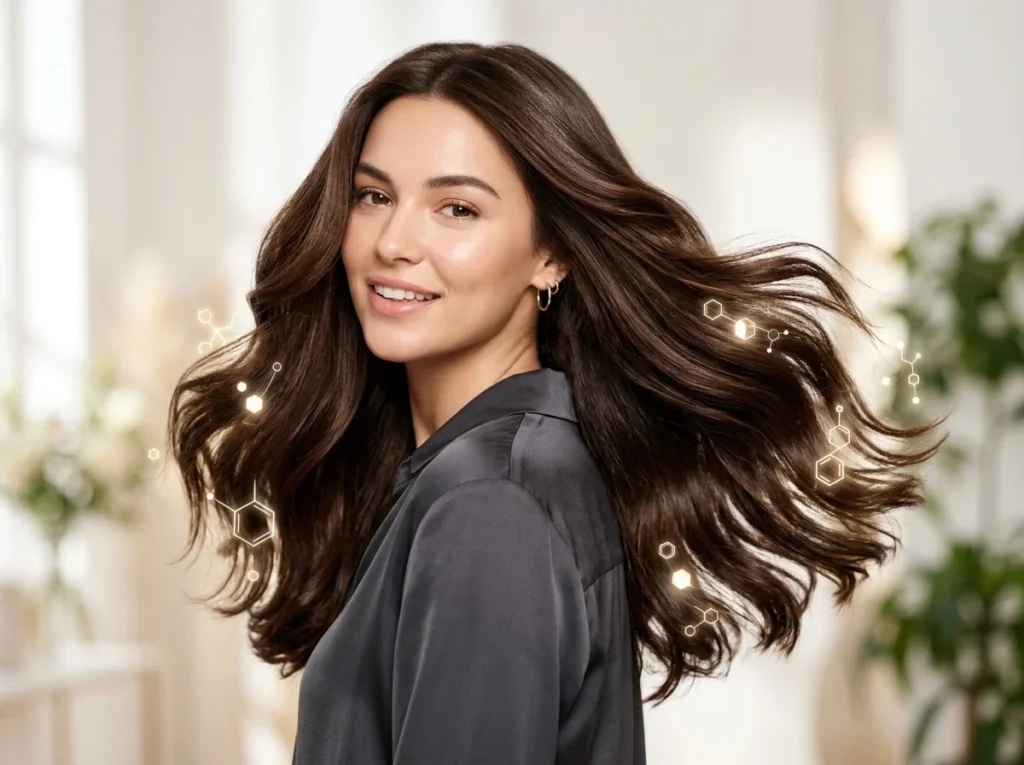
Regular applications help repair bleached hair that has lost its natural chemical integrity. You will notice a massive reduction in frizz during high humidity periods.
The treatment adds significant volume and softness to otherwise limp and flat hair. It makes your daily styling routine much easier and faster to manage effectively.
Common Signs Your Hair Needs Protein
You must identify the specific signs of protein deficiency before starting any protein hair treatment. Your hair sends clear signals when the internal structure begins to fail significantly today. Watch for these common indicators during your daily brushing and styling sessions carefully. The right protein hair treatment will target these specific structural issues for better health.
- High Porosity: Hair absorbs water instantly but dries very quickly now.
- Limp Texture: Strands look flat and refuse to hold curls effectively.
- Gummy Feel: Wet hair feels sticky or overly soft during washing.
- Poor Elasticity: Strands snap instantly when you stretch them gently today.
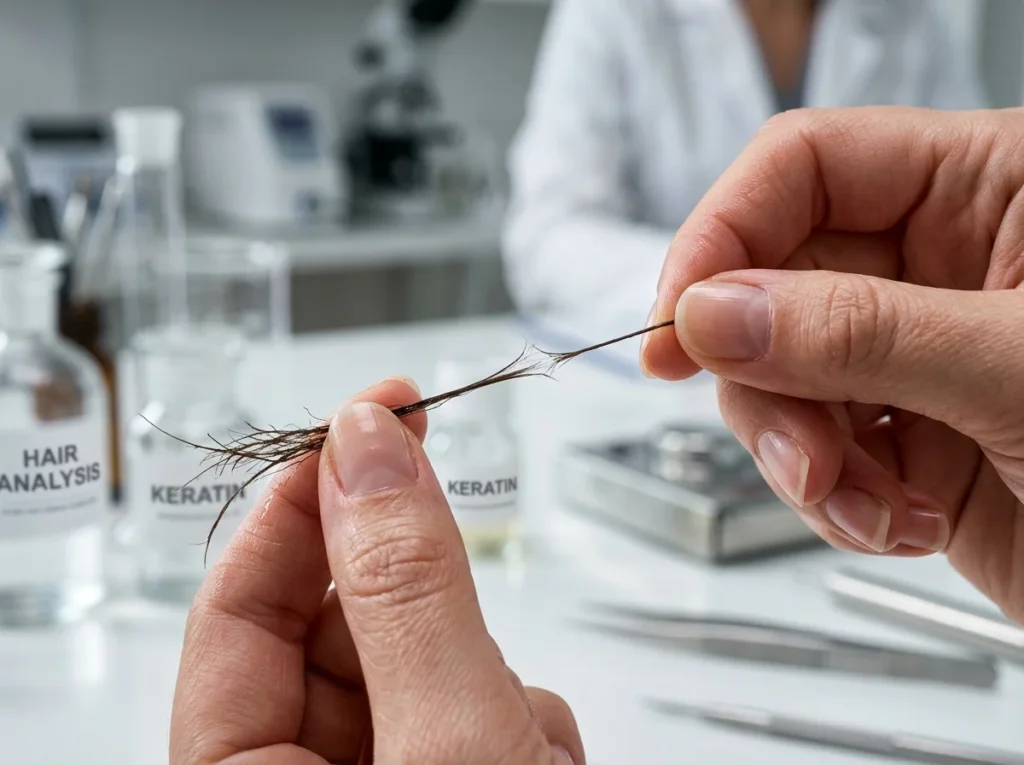
Gummy or sticky textures often appear when the hair lacks sufficient protein levels. Your strands will feel overly soft and refuse to hold their natural shape.
Excessive shedding and split ends are clear indicators of a weak hair structure. Dull and lifeless hair usually needs a boost of liquid protein for recovery.
Detailed Step-by-Step DIY Protein Hair Treatment
You must prepare your hair properly before applying any homemade protein treatment. Gather these essential kitchen ingredients to create a powerful nourishing mask at home:
- Fresh Eggs: These provide essential amino acids for repair.
- Greek Yogurt: Lactic acid cleanses while protein strengthens hair.
- Coconut Oil: It adds deep hydration to the strengthening process.
- Raw Honey: This natural humectant locks in vital hair moisture.
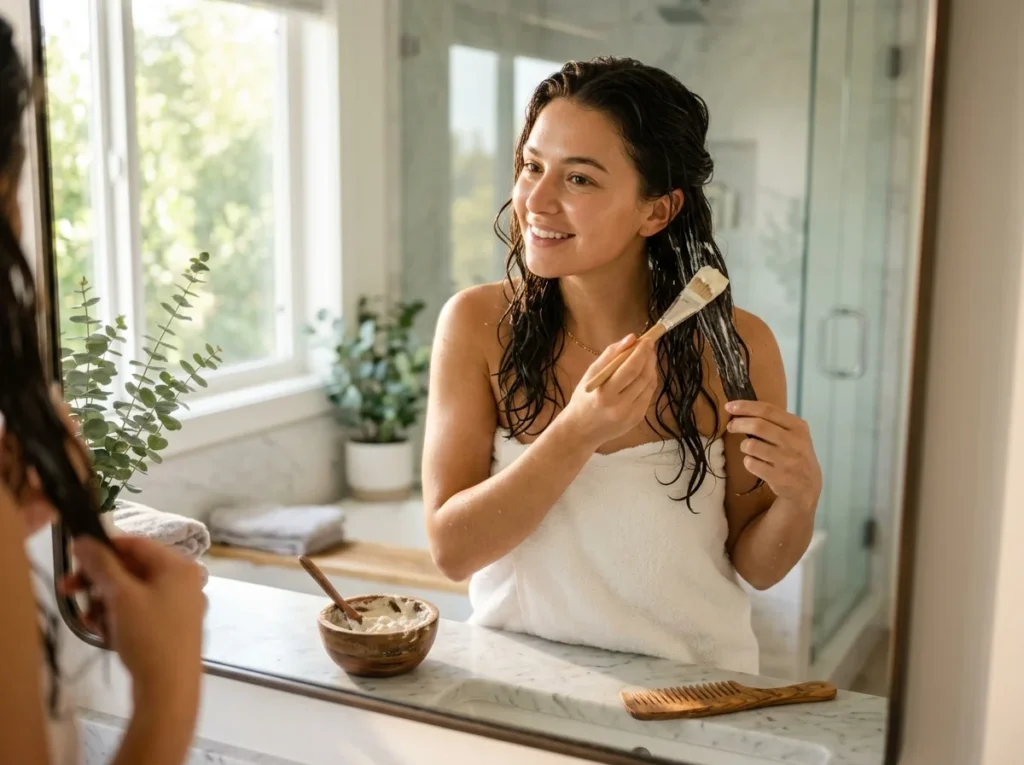
Mix your chosen natural ingredients until you achieve a smooth and creamy consistency. Avoid leaving any large chunks that might get stuck in your hair strands.
Apply the protein hair treatment evenly from the roots to the tips. Use a wide-tooth comb to ensure that every single strand receives the mask. Wear a plastic shower cap to trap the natural heat from your scalp. This heat helps the protein penetrate the tough outer layer of your hair.
Rinse the hair thoroughly using cool water to avoid cooking any egg particles. Follow up with a moisturizing conditioner to restore the necessary softness and slip.
Pro Tips to Maintain Protein-Treated Hair
You must follow specific maintenance tips to preserve your protein hair treatment results. Maintaining the results requires consistent effort and the right choice of hair products. Implement these expert strategies to keep your hair strong for many weeks:
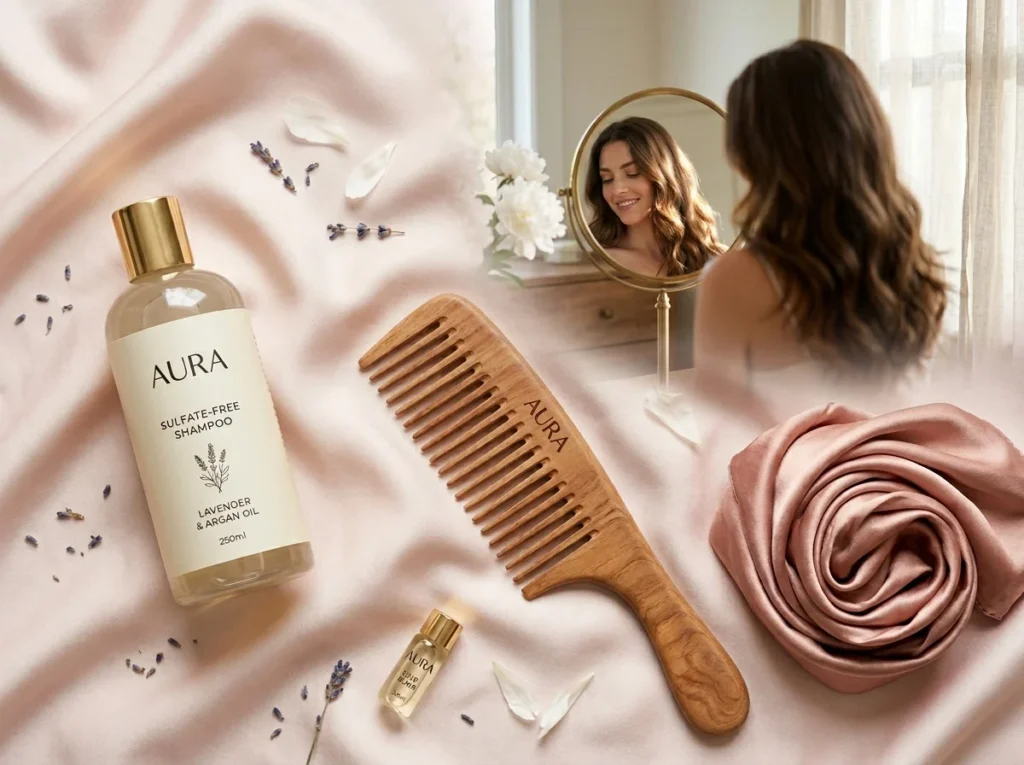
- Sulfate-Free Shampoo: Avoid harsh chemicals that strip protein layers.
- Moisture Rotation: Use hydrating masks between your protein sessions.
- Cold Rinses: Use cool water to seal the hair cuticles.
- Low Heat: Limit flat irons to prevent damaging the bonds.
Protect your hair from direct sun exposure by wearing a stylish silk scarf. UV rays quickly break down the proteins that keep your hair strong.
Stay hydrated by drinking plenty of water throughout the day for hair health. Include protein-rich foods like eggs and nuts in your daily diet for strength.
Mistakes to Avoid During Protein Application
Many beginners experience protein overload because they use the treatment too frequently. Avoid these common pitfalls to ensure your hair remains flexible and healthy always:
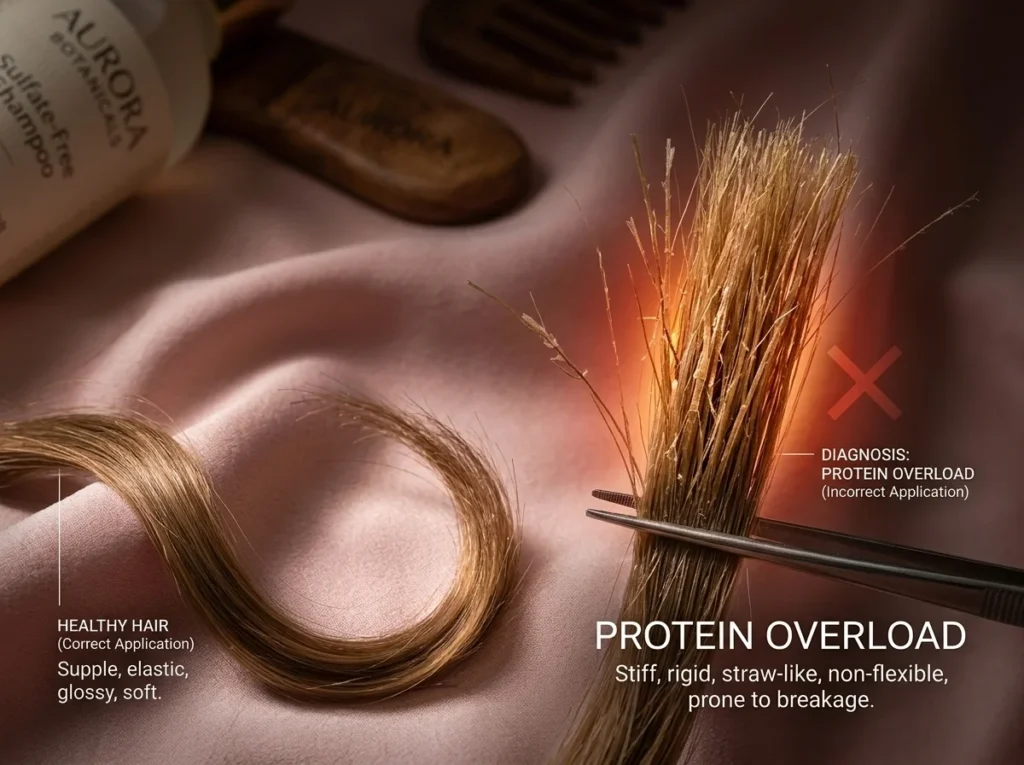
- Over-Frequency: Do not apply protein more than once monthly.
- Dirty Hair: Never apply masks over heavy product buildup today.
- Long Duration: Avoid leaving treatments on longer than thirty minutes.
- No Moisture: Never skip the conditioning step after a treatment.
Skipping the moisturizing step after a protein treatment is a very big mistake. Your hair needs hydration to remain flexible and prevent it from snapping off.
Using the wrong type of protein for your hair density causes buildup. Fine hair requires light sprays while thick hair needs heavy and rich creams.
Conclusion
Finding the perfect protein hair treatment will definitely transform your entire beauty routine today. You must balance strength and moisture to achieve a healthy and glowing mane. Try a DIY protein hair treatment today to see immediate improvements in hair texture. Listen to your hair needs and adjust your protein hair treatment schedule for best results.
Healthy hair requires consistent care and the right professional protein hair treatment products. You should monitor your hair elasticity regularly to ensure the treatment is working effectively. A well-timed protein hair treatment prevents future breakage and maintains long-term hair shine. Start your journey toward resilient and strong hair with a proven protein hair treatment plan.
FAQs
Q1: How often should I do a protein hair treatment?
You should apply a treatment once every four to six weeks for maintenance. Severely damaged hair might require a more frequent schedule to rebuild the structure.
Q2: Is protein treatment good for all hair types?
Every hair type needs protein but you must choose the correct formula density. Fine hair benefits from light sprays while thick hair needs heavy protein creams.
Q3: Can protein treatments repair damaged hair?
They effectively fill the gaps in the cuticle to improve strength and appearance. Regular use prevents further breakage and makes your hair look significantly healthier now.
Q4: What is the best homemade protein treatment for hair?
A mask made of eggs and yogurt provides the most balanced protein boost. The lactic acid in yogurt also helps to cleanse the scalp during application.
Q5: Can too much protein damage hair?
Excessive protein makes the hair rigid and leads to a condition called overload.
Related Articles
Explore more topics in this category

10 Best Winter Hair Care Tips to Tame Frizzy Hair
Static, flyaways, and frizz seem to show up the moment winter arrives, no matter how smooth hair looked in summer. These…

9 Ultimate Slicked Back Hairstyles Trends For A Sharp Look
In the world of personal grooming, a flawless hair profile can completely transform your entire presentation. This ultimate style guide will…
Heatless Silk Curls: 5 Safe Rules for Flawless Overnight Hair
I ruined my hair ends last year by using a curling iron every single weekend. My hair became so dry and…

Mila
Beauty content creator and chief editor at EasyBeautyHacks. Dedicated to testing and sharing the best DIY skincare treatments, makeup techniques, and time-saving hair hacks. Mila helps women elevate their daily beauty routines without spending a fortune.
Read more about Mila →