
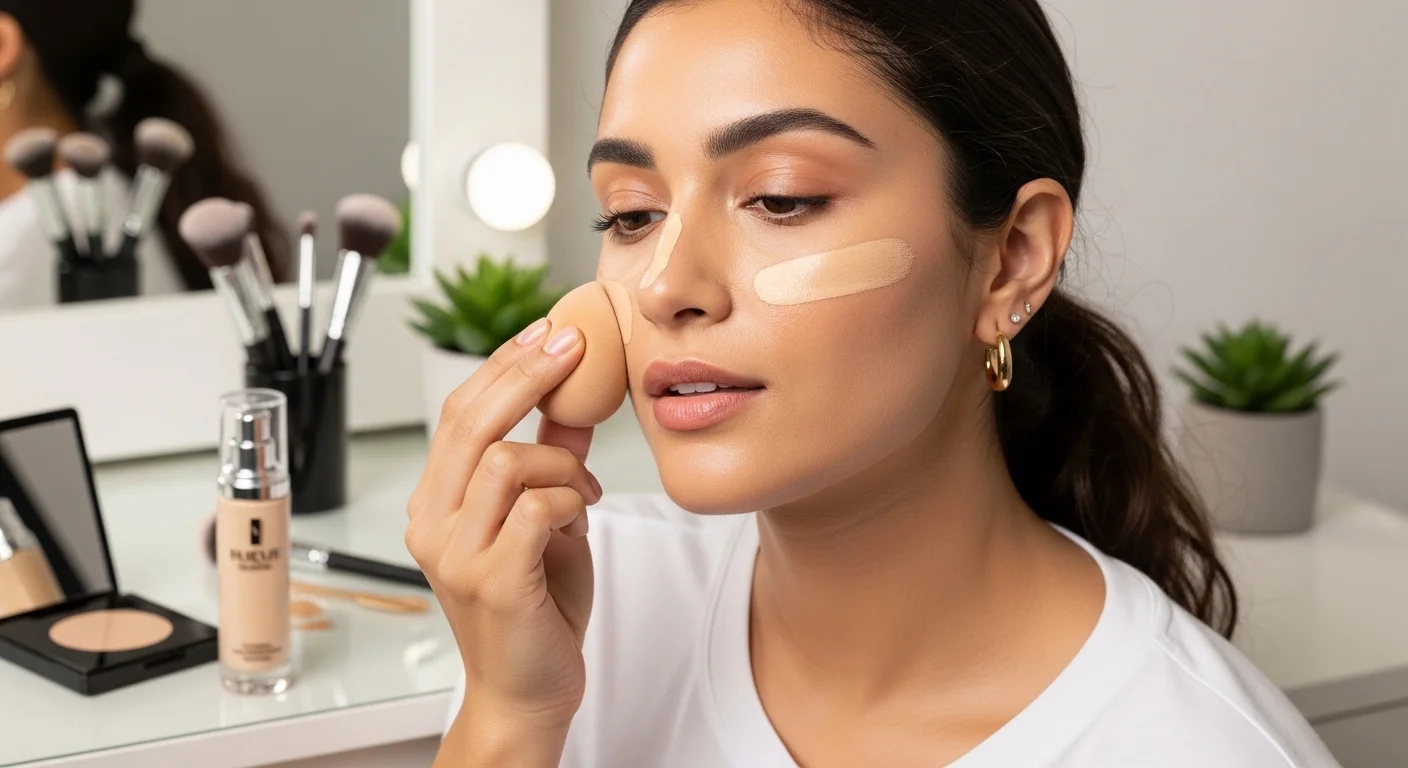
Dealing with oily skin often feels like a race against time. You start your day with a perfectly matte face, but by lunch, your T zone is shining, and your foundation is starting to slide. It’s a common struggle, but the secret isn’t just in the makeup you choose it’s in how you prepare your skin and layer your products.
In this article, we’ll dive into the ultimate makeup for oily skin , the must have products for your kit, and the professional tricks that keep your makeup locked in place from morning until night.
Why Oily Skin Needs Special Makeup Care
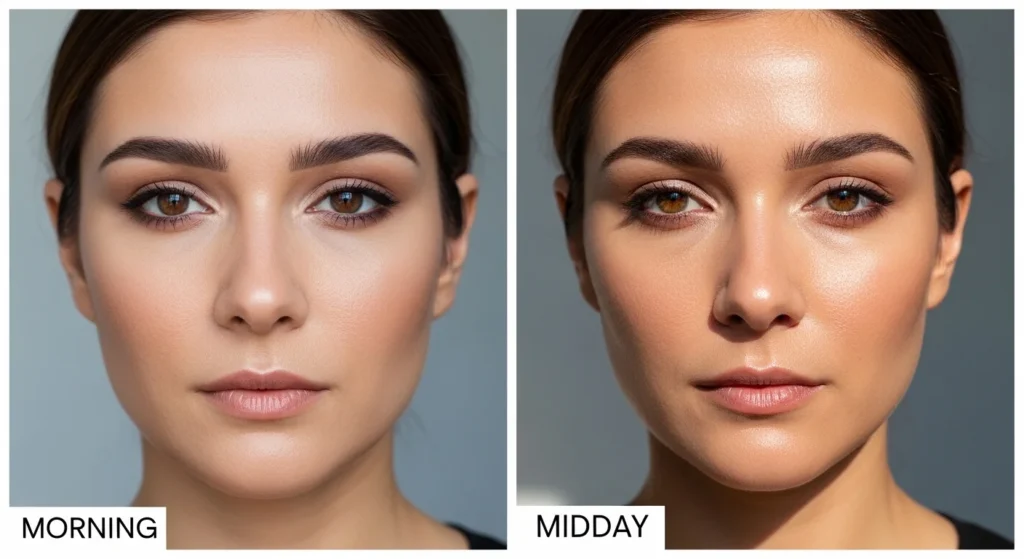
Oily skin is caused by overactive sebaceous glands that produce excess sebum. While this natural oil helps keep skin supple, it creates a slippery surface that makes traditional makeup struggle to stay put.
- Sebum Production: High oil levels act like a solvent, breaking down the chemical bonds in your makeup.
- The “Meltdown”: Without the right care, foundation tends to “separate” or cake into fine lines and pores.
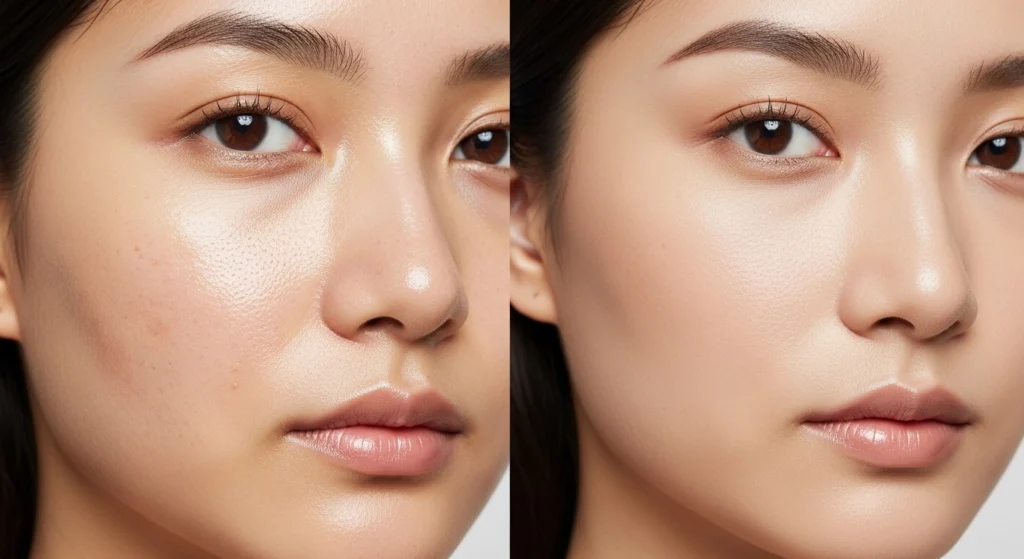
- The Shine Factor: Oily skin reflects light more intensely, which can make even a light application look greasy under bright lights.
Best Makeup Products for Oily Skin
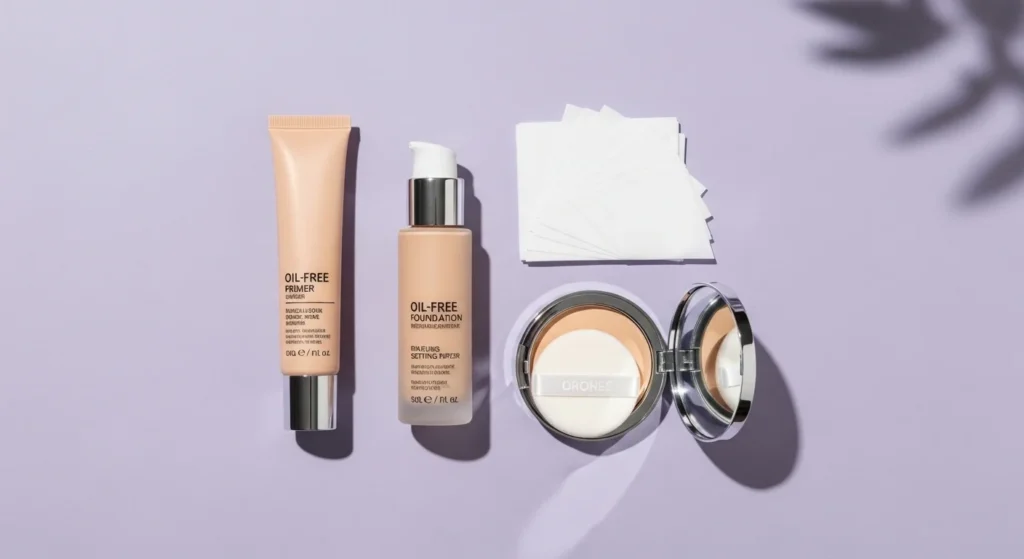
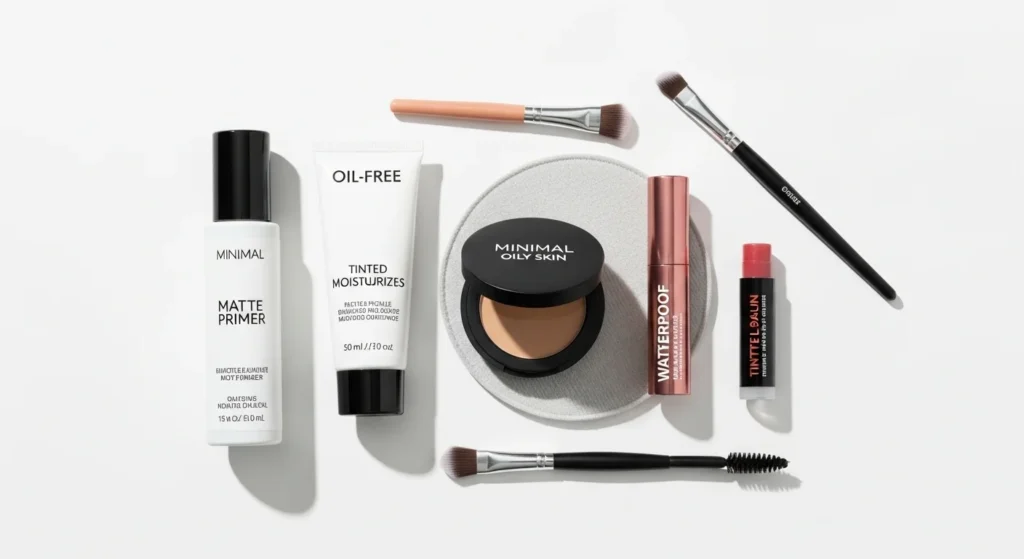
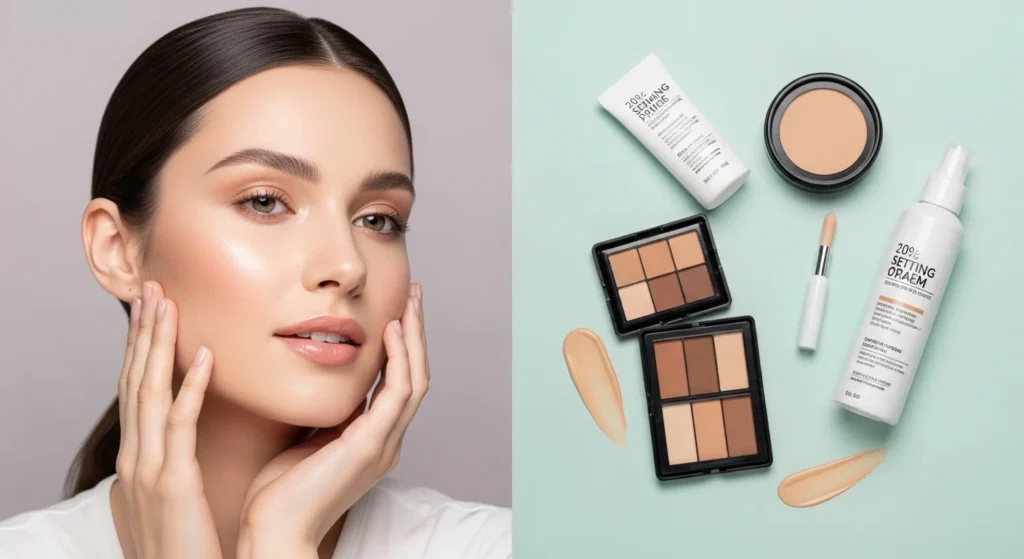
The foundation of a great look (pun intended) starts with the right formulas. If you have oily skin, your labels should always say “oil free” or “mattifying.”
- Oil-Free Foundations: These formulas use water or silicone bases that won’t add extra grease to your pores.
- Matte Primers: Look for primers that contain salicylic acid or silica to soak up oil before it reaches your foundation.
- Setting Powders: Translucent powders are a lifesaver for blurring pores and absorbing midday shine.
- Long wear Formulas: Products labeled “12 hour” or “24 hour” are usually built to withstand moisture and oil.
Step by Step Makeup Routine for Oily Skin
To get that professional, long-lasting finish, follow these steps in order:
- Deep Cleanse: Use a foaming or gel based cleanser to remove every trace of oil.
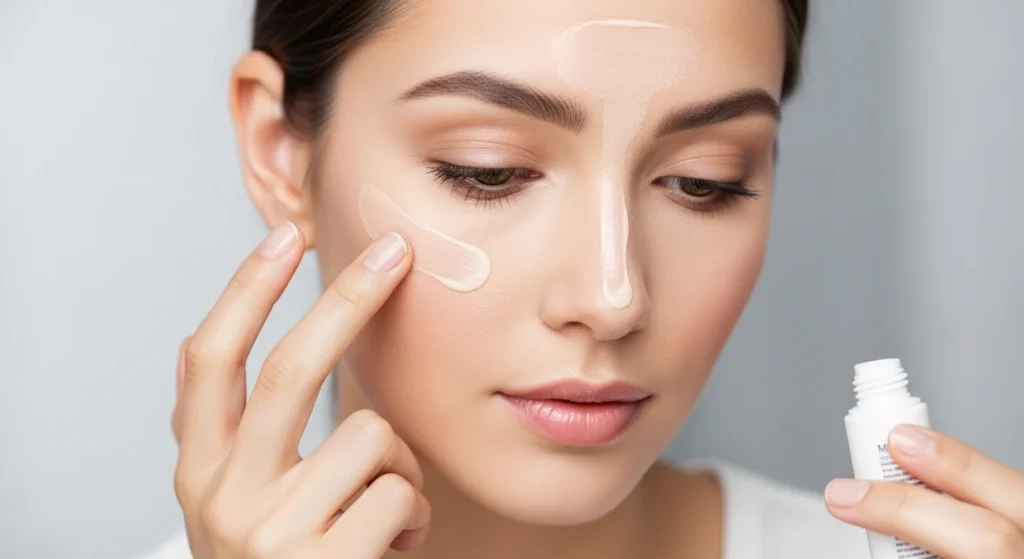
- Lightweight Hydration: Apply an oil free, gel based moisturizer. If your skin is too dry, it will actually produce more oil to compensate.
- The Barrier (Primer): Smooth a matte primer over your most oily areas.
- Strategic Foundation: Apply foundation in thin layers, focusing on even blending.
- Set with Precision: Press (don’t rub) setting powder into the skin using a puff or sponge.
- Mist to Lock: Use an alcohol based setting spray for a final “seal.”
Foundation Tips for Oily Skin
Foundation is the most visible part of your routine, so application technique is everything.
- Pick the Right Formula: Semi matte foundations are great if you want a natural look without the heavy “mask” feel.
- Avoid Heavy Creams: Cream foundations are usually packed with oils and waxes stick to liquids or powders.
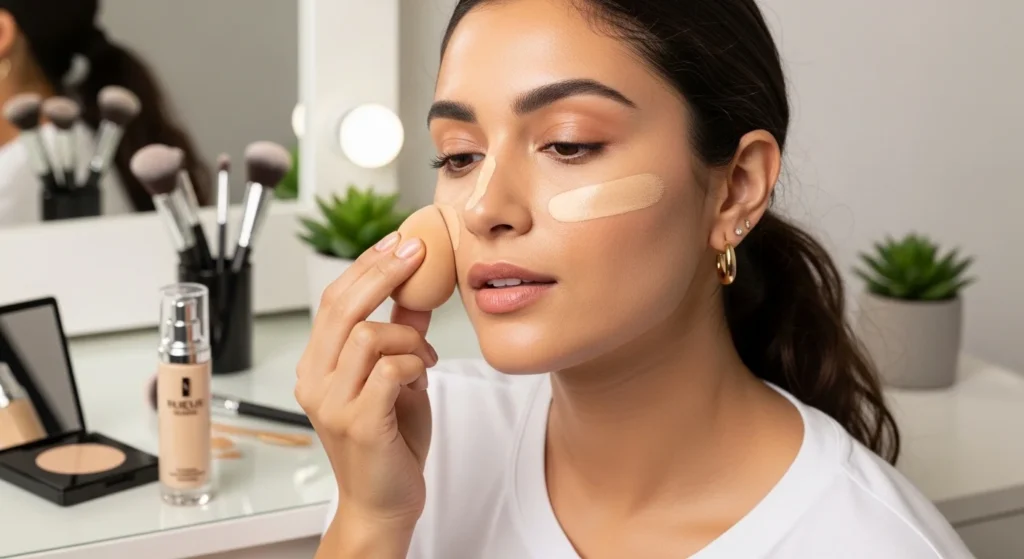
- Stipple, Don’t Swipe: Using a damp beauty sponge or a flat top brush to “stipple” the product ensures it gets into the skin rather than just sitting on top of the oil.
Common Makeup Mistakes to Avoid for Oily Skin
Even with the best products, these common habits can ruin your look:
- Skipping Moisturizer: Many people think oily skin doesn’t need hydration, but dehydrated skin triggers more oil production.
- Over powdering: Applying too much powder can cause a “cakey” texture that cracks throughout the day.
- Using Oil Based Tools: Ensure your brushes and sponges are cleaned regularly to avoid re applying old oils to your face.
- Frequent Touching: Touching your face transfers oils and heat from your fingers, which melts your makeup faster.
Best Tips for Long Lasting Makeup on Oily Skin
Here are some “insider” secrets for maintaining that fresh applied look:
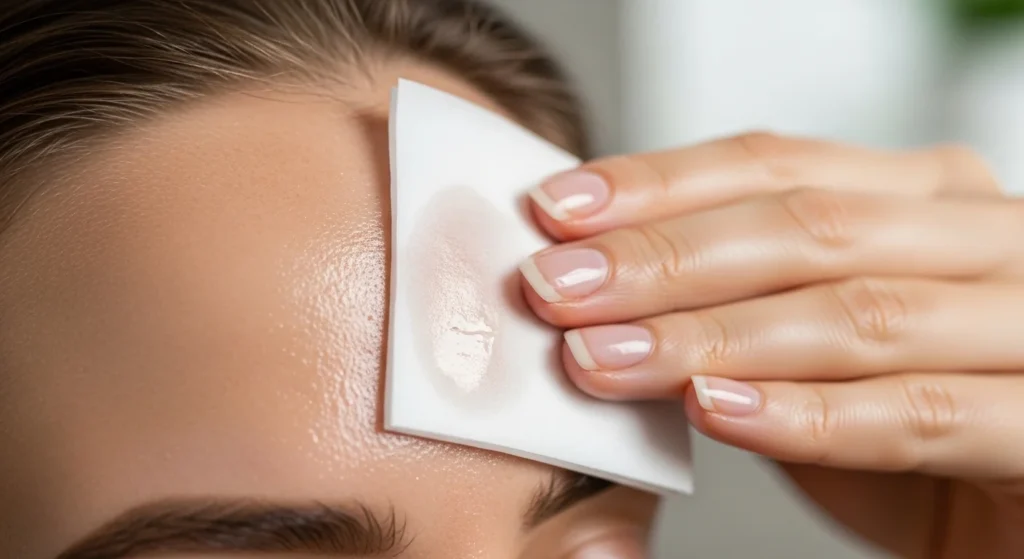
- Blot Before You Powder: If you get shiny, use a blotting paper to lift the oil first. If you put powder directly on top of oil, it turns into a thick paste.
- The “Thin Layer” Rule: It is much better to apply three very thin layers of product than one thick layer.
- Focus on the T Zone: You don’t need a heavy matte look on your cheeks; keep the heavy duty oil control focused on your forehead, nose, and chin.
- Hydrate from Within: Drinking plenty of water helps regulate your skin’s natural oil production.
Conclusion
Managing oily skin doesn’t mean you have to settle for makeup that disappears by noon. By choosing oil free products and mastering a solid prep and set routine, you can maintain a flawless, shine free look all day long. It’s all about creating a balanced environment for your skin where your products can actually do their job. Start with a good primer, end with a strong spray, and you’ll never have to fear the “midday melt” again.
FAQs
Q1: Which foundation is best for oily skin?
The best foundations are those labeled “matte,” “oil free,” or “non comedogenic.” Liquid to powder formulas are especially good for maximum oil control.
Q2: How do I stop my makeup from getting oily?
The “magic trio” is a mattifying primer, a setting powder, and an oil control setting spray. Using all three creates a triple layer defense against shine.
Q3: Is powder necessary for oily skin?
Yes. Powder is essential for absorbing sebum and keeping liquid products from sliding around the face.
Q4: Can oily skin skip moisturizer?
No. Use a lightweight, oil free gel moisturizer to keep the skin’s barrier healthy without adding grease.
Q5: How often should I touch up makeup?
Only touch up when you see visible shine. Use a blotting paper first, and then apply a tiny amount of powder only if the shine persists.
Related Articles
Explore more topics in this category

Grounding / Earthing Self-Care Routine: 10 Amazing Ideas
Grounding / Earthing Self-Care offers a simple way to spend intentional time outdoors while connecting with natural surfaces. Grounding, which people…
Discover 3 Secrets to a Flawless Hands Care Routine
Our palms constantly face heavy daily damage from harsh weather and frequent chemical washing. You will learn the hidden secrets of…

5 Easy Vegan Skin Care Steps for Radiant and Healthy Skin
I spent thousands of rupees purchasing luxury synthetic face creams to treat my stubborn dry patches last winter. Those expensive chemical…
