
If you have oily skin, you already know the struggle. You spend time applying your makeup in the morning, and by midday it looks like it never happened. Your face is shiny, your foundation has melted, and your concealer has disappeared into your fine lines.
You are not alone. Oily skin is one of the most common skin types, and it comes with real makeup challenges. But here is the good news: the right makeup for oily skin, applied in the right order, can give you a matte, fresh look that actually lasts all day.
In this complete guide, you will learn why oily skin affects makeup, which products work best, and how to follow a step-by-step oily skin makeup routine that keeps shine under control from morning to night. Whether you are a beginner or just looking to improve your current routine, this guide has everything you need.
Understanding Oily Skin and Makeup Challenges
Why Does Skin Produce Excess Oil?
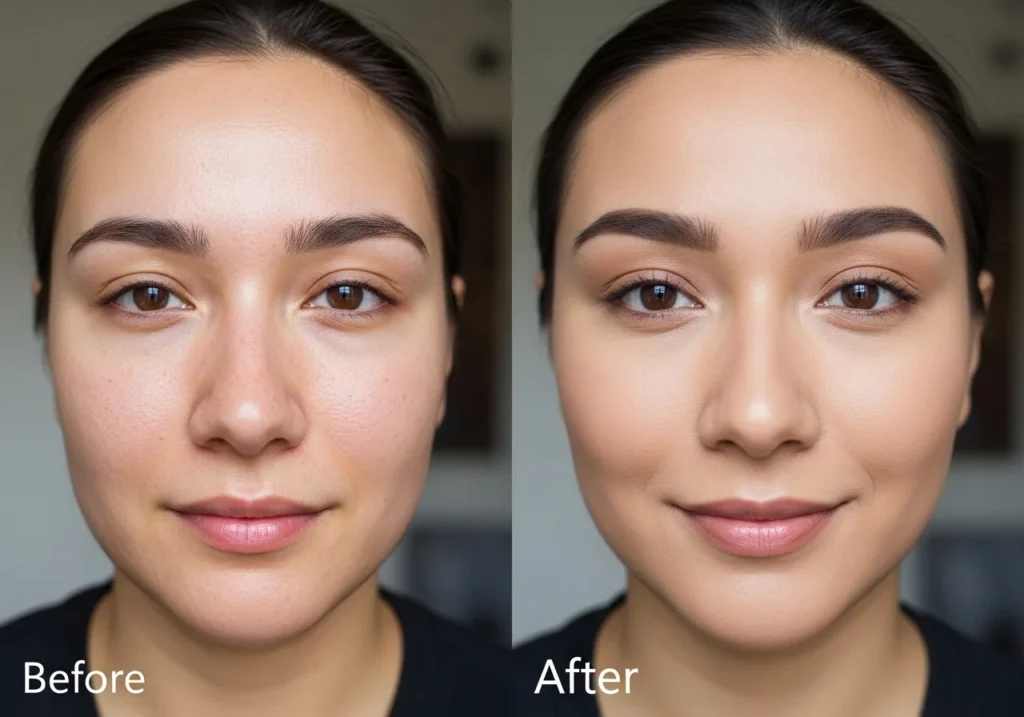
Your skin naturally produces an oil called sebum. In the right amounts, sebum keeps your skin healthy and hydrated. But when your skin produces too much of it, it creates problems. Genetics, hormonal changes, humidity, stress, and even using harsh skincare products can all trigger excess oil production.
People with oily skin typically notice enlarged pores, a greasy feeling throughout the day, and a persistent shine on the forehead, nose, and chin the T-zone. These are all signs that sebum production is higher than normal.
How Oily Skin Affects Your Makeup
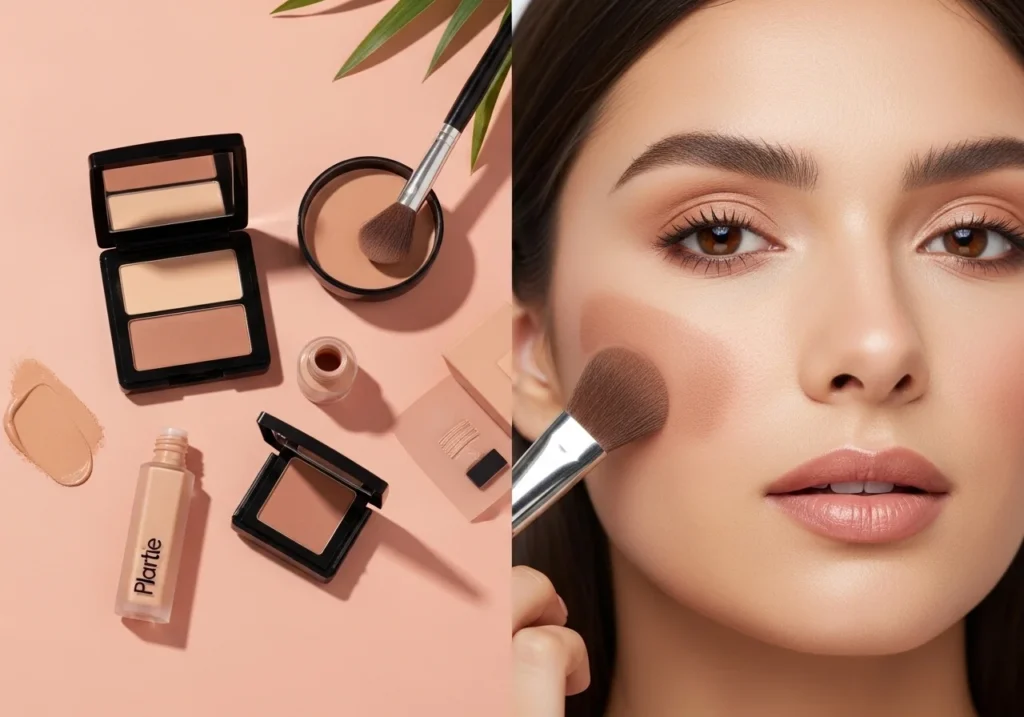
Excess sebum breaks down makeup from underneath, causing it to slide, melt, and disappear. Here are the most common problems you will face:
- Shine and greasiness: Your face looks oily just a few hours after you apply makeup.
- Melting foundation: Your base separates or disappears throughout the day.
- Creasing: Concealer and eyeshadow settle into lines and look patchy.
- Smudging: Eyeliner and mascara smear even without touching your eyes.
- Clogged pores: Heavy or wrong-formula products trap oil and lead to breakouts.
Understanding these challenges is the first step toward solving them. Once you know what you are dealing with, choosing the right products and techniques becomes much simpler.
Best Makeup Products for Oily Skin
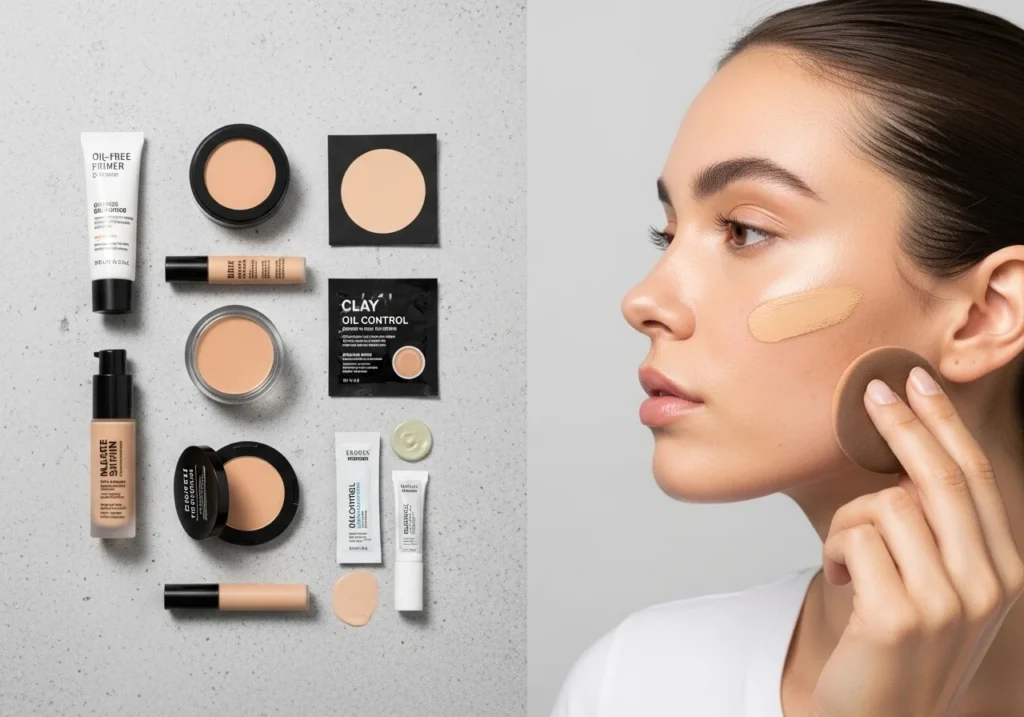
The right products make all the difference for oily skin. Here is what to look for in each category:
Oil-Free Foundation
This is non-negotiable for oily skin. Oil-free foundations do not add extra oil to your skin, which helps your makeup stay in place. Look for labels that say “oil-free,” “matte finish,” or “long-wearing.” Foundations containing silica or kaolin clay are excellent because they actively absorb oil throughout the day. Always avoid dewy, luminous, or hydrating foundation formulas these enhance shine on oily skin rather than control it.
Matte Primer
A matte primer is one of the most important tools in your oily skin makeup routine. It creates an oil-absorbing layer between your skin and foundation, helping your makeup grip better and last longer. Silicone-based or pore-minimizing primers work especially well for oily skin. Apply after moisturizer and wait about 60 seconds before applying foundation.
Setting Powder
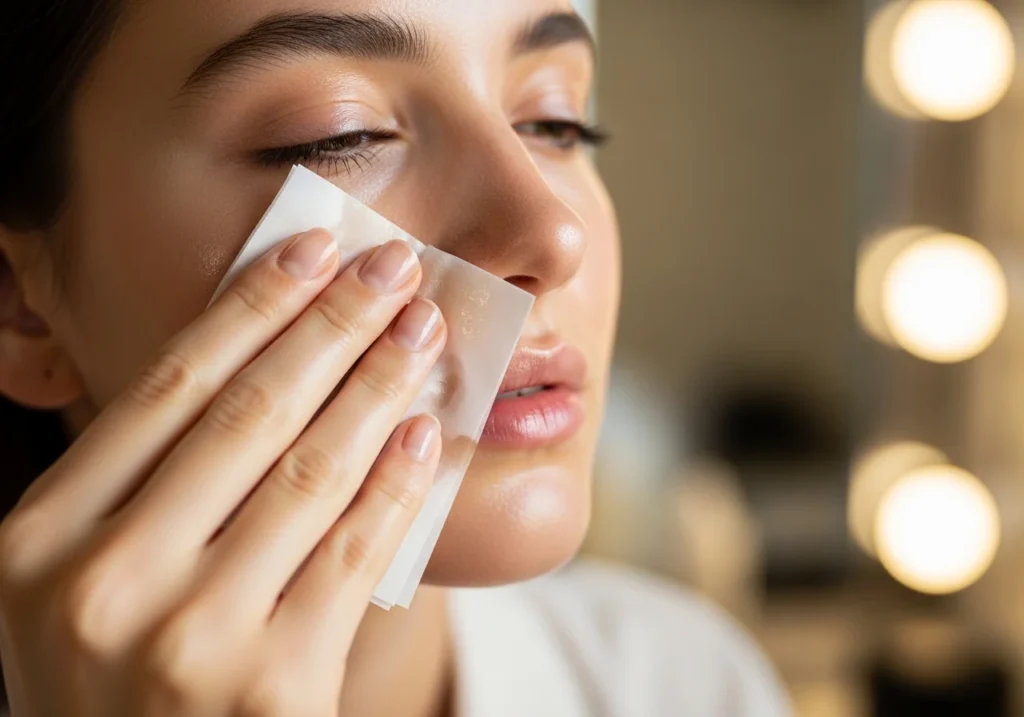
Setting powder locks your foundation in place and soaks up surface oil. Translucent setting powder with a matte finish is the best choice for oily skin. You can also try the baking technique pressing a thick layer of powder onto high-shine areas, letting it sit for a few minutes, then brushing it away for extra longevity.
Waterproof Eye Products
For oily eyelids, always choose waterproof formulas. Waterproof mascara, eyeliner, and eyeshadow primer prevent smudging and creasing throughout the day. An eyeshadow primer is especially valuable if your lids tend to get greasy it keeps your eye makeup vibrant and crease-free for hours.
Mattifying Setting Spray
Setting spray is the final step that holds your entire makeup look together. It merges all layers and creates a protective finish. For oily skin, always choose a setting spray labeled “oil control” or “mattifying” to keep shine away throughout the day.
Step-by-Step Oily Skin Makeup Routine
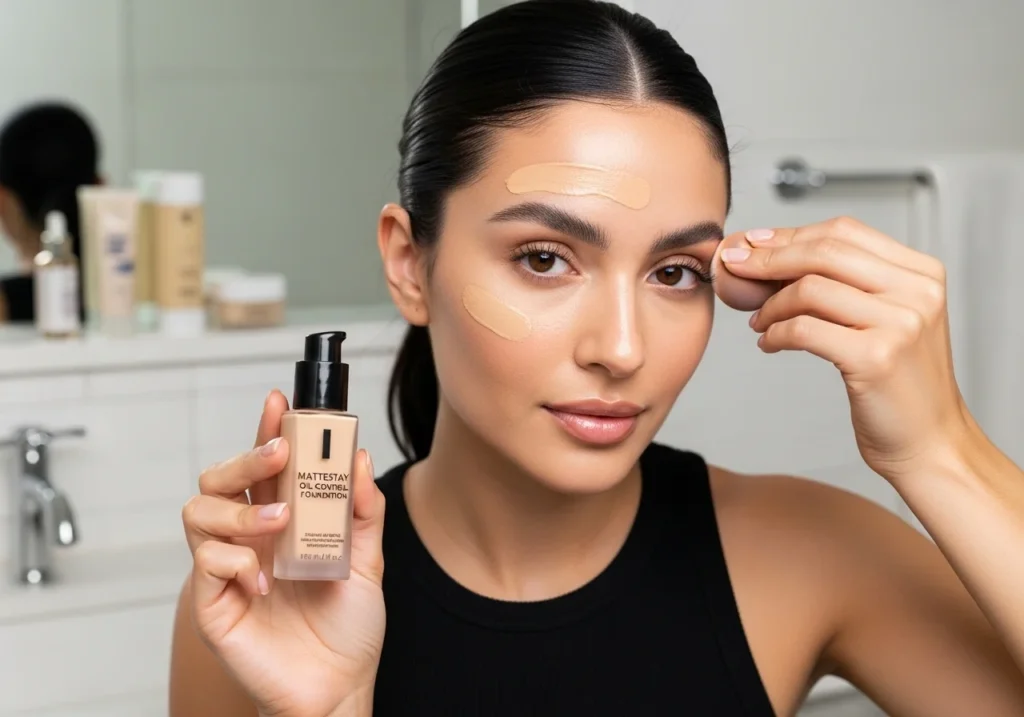
Following a structured routine is key for long-lasting makeup on oily skin. Here is the complete process, step by step:
- Cleanse and Moisturize Your Skin: Start with a gentle, oil-free cleanser to remove excess oil and impurities. Follow with a lightweight, oil-free gel moisturizer. Never skip this step bare, dry skin actually produces more oil to compensate, which makes your makeup melt even faster.
- Apply Matte Primer: After your moisturizer has absorbed, apply a pea-sized amount of matte primer across your face, focusing on the T-zone. Wait 60 seconds for it to set before moving on. This wait time is important it allows the primer to create a proper oil-absorbing barrier.
- Apply Oil-Free Matte Foundation: Apply your matte foundation using a damp beauty sponge or flat foundation brush. A damp sponge picks up less product and gives a more natural finish. Start at the center of your face and blend outward using thin, buildable layers.
- Apply Concealer Carefully: Use a small amount of oil-free concealer under your eyes and on any blemishes. Pat — never rub with a fingertip or small brush. Set it immediately with a light dusting of translucent powder to prevent creasing. Less product means less creasing.
- Set Everything with Powder: Dust translucent setting powder all over your face with a large fluffy brush. For extra shine control, bake the T-zone and under-eye areas by pressing a loaded damp sponge onto those areas for two to three minutes, then brushing away the excess.

- Finish with Mattifying Setting Spray: Mist your face with a mattifying setting spray from about 30 cm away. Let it dry naturally do not rub or blot. This final step seals all your layers together and adds significant wear time to your makeup.
How to Keep Makeup Long-Lasting on Oily Skin
Even with the best products, staying shine-free throughout the day requires a few smart habits:
Layer Your Products in the Right Order
The correct layering sequence is: skincare, primer, foundation, concealer, powder, setting spray. Skipping or reordering steps reduces how well your makeup performs. Each layer prepares the surface for the next one.
Use Blotting Papers During the Day
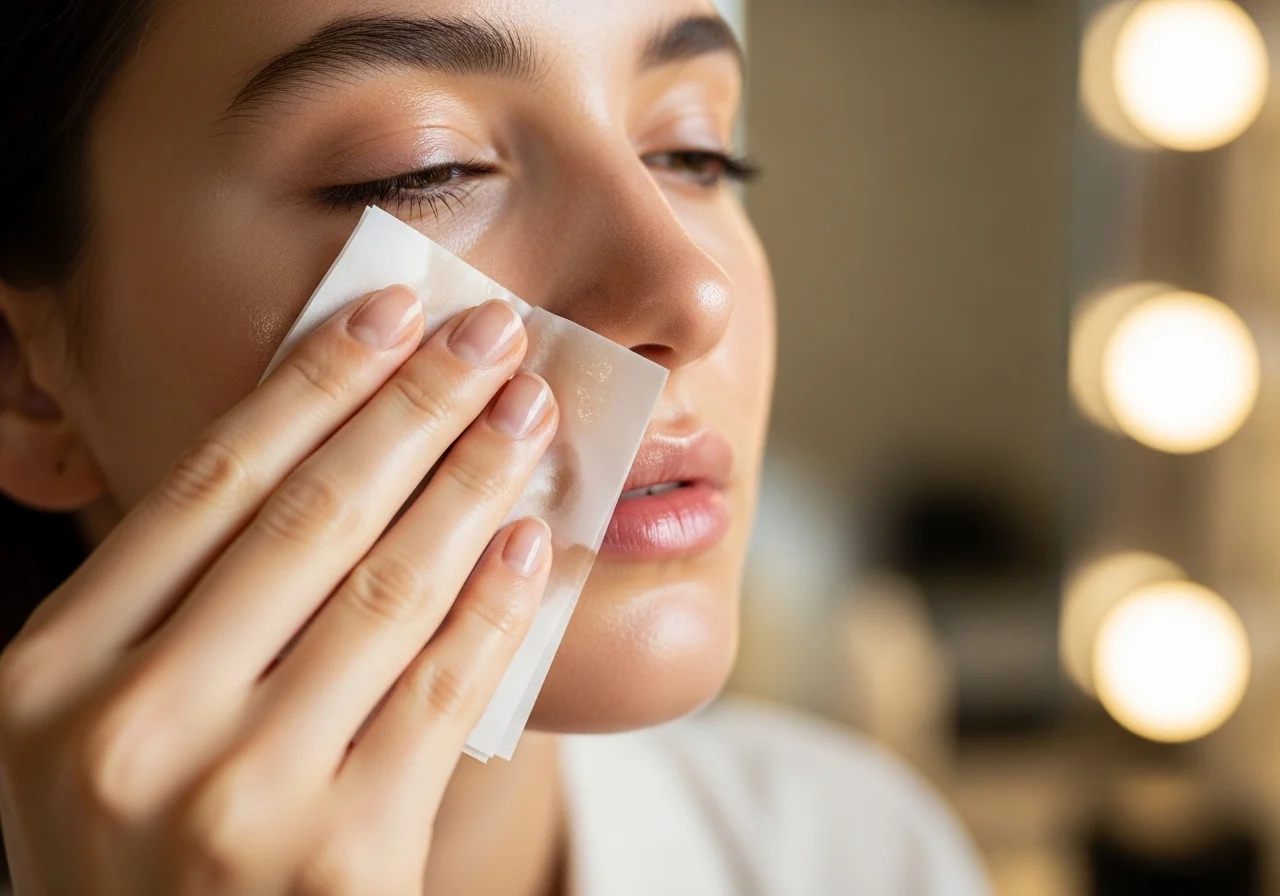
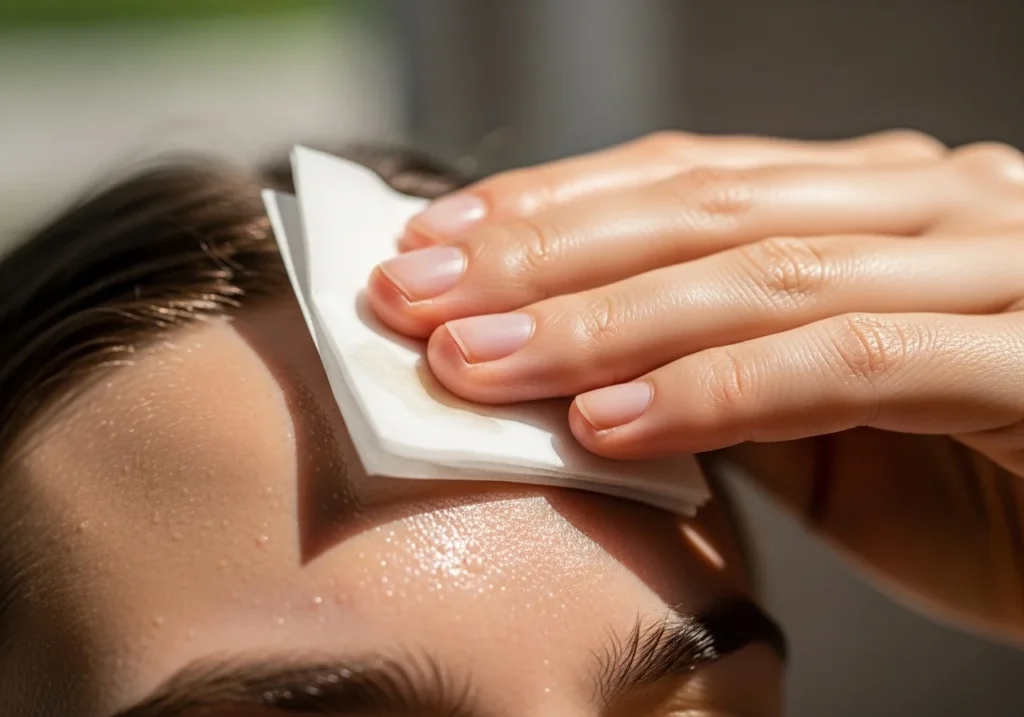
Blotting papers are essential for oily skin touch-ups. When shine appears, press a blotting sheet gently onto the area and lift never rub. This removes excess oil without disturbing the makeup underneath. Always carry a pack in your bag.
Touch Up with Powder, Not Foundation
For midday touch-ups, blot first, then dust a small amount of translucent powder over the shiny areas. Adding more foundation over oily skin creates a cakey, heavy look. Powder is always the better refresh tool.
Choose Lightweight Textures
Heavy creams and thick formulas sit on top of oily skin and break down faster. Stick to lightweight, breathable products wherever possible. Powder blush, powder bronzer, and powder highlighter all last significantly longer on oily skin than their cream versions.
Common Mistakes to Avoid for Oily Skin Makeup
These mistakes are easy to make, but avoiding them will transform your results:
Skipping Primer
Primer is the foundation of long-lasting makeup for oily skin. It creates the oil-absorbing barrier that keeps your foundation in place. Without it, even the best matte foundation will not hold for long. This step is non-negotiable.
Choosing the Wrong Foundation
Dewy, luminous, or hydrating foundation formulas amplify shine on oily skin. Always choose matte, oil-free, or long-wearing formulas. Check the label every time what works for dry skin will work against oily skin.
Over-Powdering
Adding too much powder to control shine creates a dry, cakey, unnatural look and makes fine lines more visible. Use a light hand with powder and always blend well. Focus only on the genuinely oily areas like the T-zone.
Touching Your Face

Every touch transfers oil and bacteria from your hands to your skin, breaking down your makeup and potentially causing breakouts. Being aware of this habit and actively avoiding it makes a noticeable difference to how long your makeup lasts.
Skipping Moisturizer
Many people with oily skin skip moisturizer thinking it will make things worse. It actually does the opposite when skin is dehydrated, it produces more oil. A lightweight, oil-free moisturizer before makeup keeps oil production balanced and creates a smoother base.
Top Tips for Shine-Free Makeup All Day
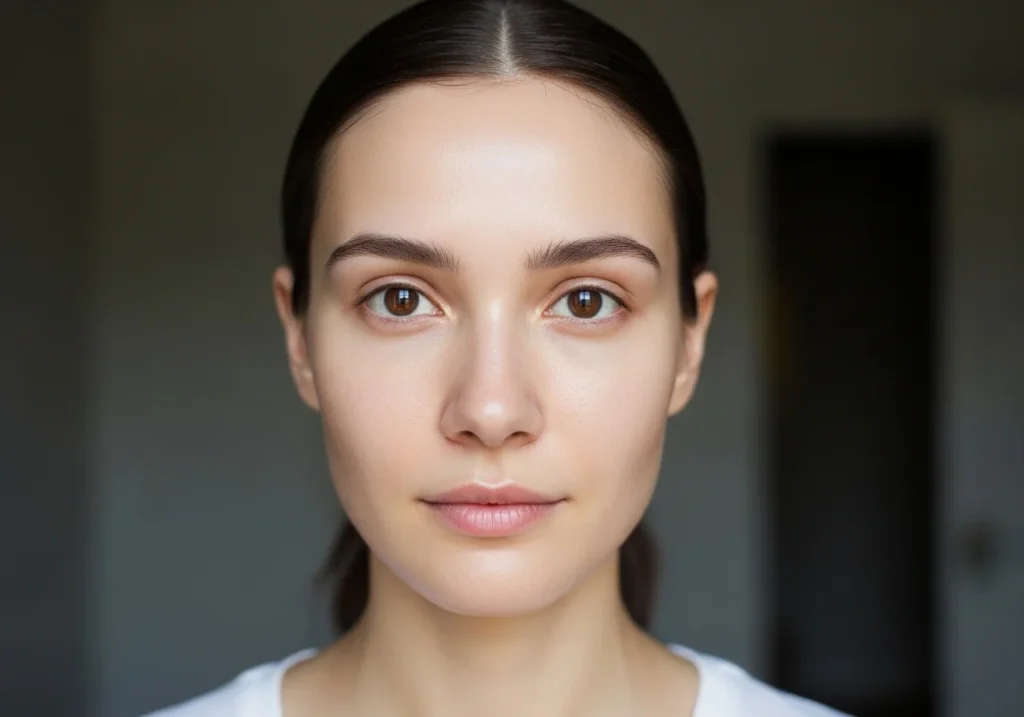
Follow these seven tips consistently and you will see a real difference in how long your makeup looks fresh:
- Use oil-free products throughout: Every product in your routine from primer to setting spray should be oil-free. Check every label.
- Never skip setting powder: Setting powder is your best defense against shine. It absorbs oil and locks foundation in place. Always include it.
- Carry blotting papers everywhere: These take up almost no space and solve midday shine in seconds without ruining your makeup.
- Keep your hands off your face: Simple but powerful. Less touching means less oil transfer and longer-lasting makeup.
- Stick to matte finishes: Matte blush, bronzer, and eyeshadow maintain a consistent, shine-free look across your whole face.
- Always prep your skin properly: Cleanse and moisturize before every application. Prepped skin holds makeup better and controls oil production more effectively.
- Seal with mattifying setting spray: This final step merges all your layers, reduces shine, and can add two to four extra hours to your makeup wear time.
Conclusion
Oily skin does not have to stand between you and great-looking makeup. With the right products, the right technique, and a consistent routine, you can enjoy a fresh, shine-free, long-lasting makeup look every single day.
The key takeaways are simple: always cleanse and moisturize before makeup, never skip primer, choose oil-free and matte-finish products, set everything with powder, and finish with a mattifying setting spray. Use blotting papers during the day and avoid touching your face.
Avoid the common mistakes wrong foundation formula, skipping primer, over-powdering and you will already be ahead of the game. Remember that great makeup begins with good skincare. Take care of your skin first, and your makeup will take care of itself.
You have everything you need to make it work. Follow this routine, stay consistent, and enjoy the confidence that comes with makeup that actually stays put all day long. You deserve to look and feel your best. Now go ahead and get started!
Related Articles
Explore more topics in this category

Grounding / Earthing Self-Care Routine: 10 Amazing Ideas
Grounding / Earthing Self-Care offers a simple way to spend intentional time outdoors while connecting with natural surfaces. Grounding, which people…
Discover 3 Secrets to a Flawless Hands Care Routine
Our palms constantly face heavy daily damage from harsh weather and frequent chemical washing. You will learn the hidden secrets of…

5 Easy Vegan Skin Care Steps for Radiant and Healthy Skin
I spent thousands of rupees purchasing luxury synthetic face creams to treat my stubborn dry patches last winter. Those expensive chemical…
