
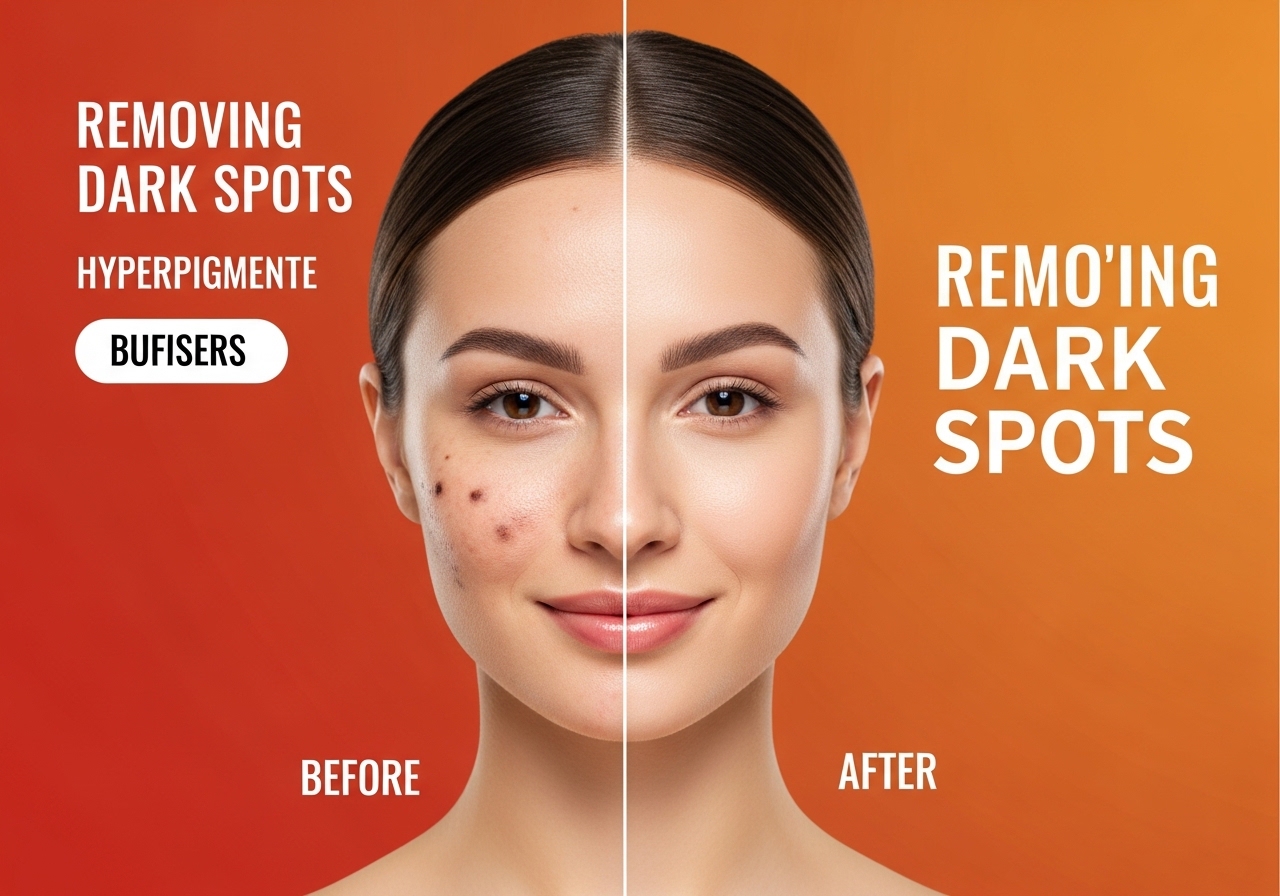
Dark spots can be frustrating, especially when they make your skin look uneven and dull. Whether caused by acne scars, sun exposure, or aging, these stubborn marks often take time to fade but the right routine can speed up the process. In this guide, you’ll discover 10 proven solutions that help reduce dark spots effectively, restore your natural glow, and give you clearer, healthier-looking skin faster than ever.
Whether it’s acne scars, sun damage, or hormonal changes,dark spot removal is one
of the most searched skincare topics for a reason. Millions of women (and men) deal with
uneven skin tone every single day.
The good news? You don’t need expensive treatments or magic potions. With the right
ingredients and consistency, you can remove dark spots fast and keep them from
coming back.
Let’s break down exactly how.
What Causes Dark Spots in the First Place?
Before you can fix something, it helps to understand what’s causing it.
Dark spots also called hyperpigmentation happen when your skin produces too much
melanin in certain areas. This can be triggered by:
- Sun exposure (oneculprit)
- Post-acne marks left behind after breakouts
- Hormonal changes (melasma during pregnancy)
- Aging (liver spots or age spots)
- Skin injuries like cuts, burns, or inflammation
Understanding your trigger helps you choose the most effective solution.
10 Effective Solutions for Dark Spot Removal
1. Vitamin C Serum Your Brightening Best Friend
Vitamin C is the gold standard of dark spot removal. It works by inhibiting melanin
production and brightening existing discoloration over time.
Look for serums with 10 to 20% L-ascorbic acid for maximum effectiveness. Apply every
morning before sunscreen.
Results timeline: 46 weeks with daily use.
2. Niacinamide The Gentle Powerhouse
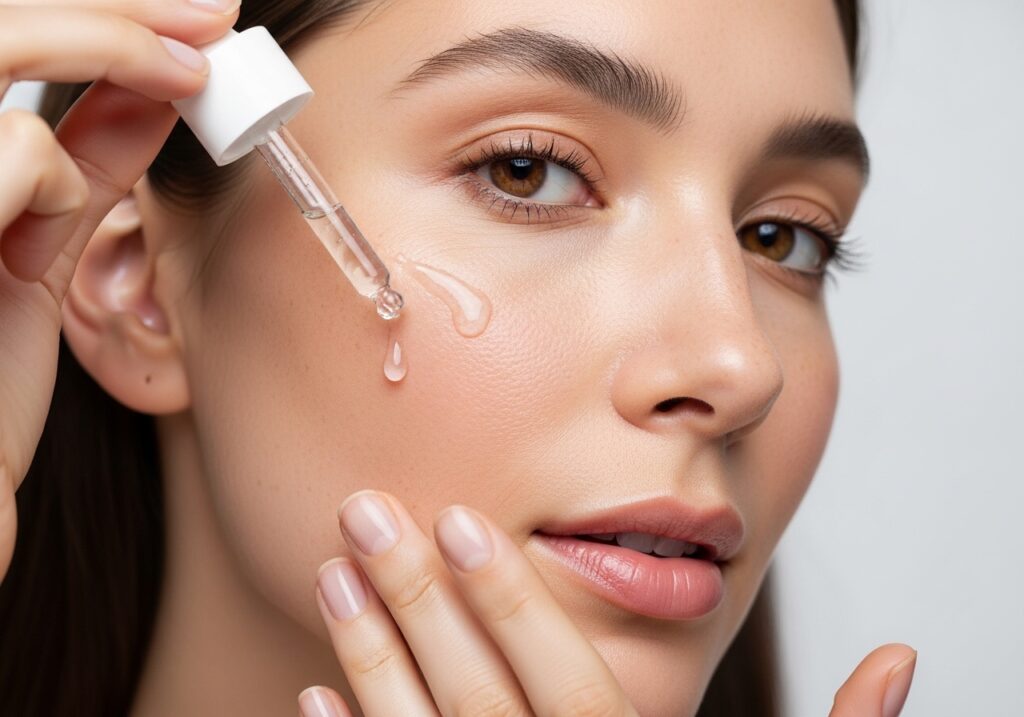
Niacinamide (Vitamin B3) is one of the most well researched ingredients for fading dark
spots and it’s gentle enough for sensitive skin.
It works by blocking the transfer of pigment to skin cells and reducing inflammation that
causes post-acne marks.
A 5–10% concentration is ideal. Use it morning and night, and pair it freely with
other actives (it plays well with almost everything).
3. Chemical Exfoliation with AHAs and BHAs
Physical scrubs can irritate skin and worsen spots. Chemical exfoliants are smarter.
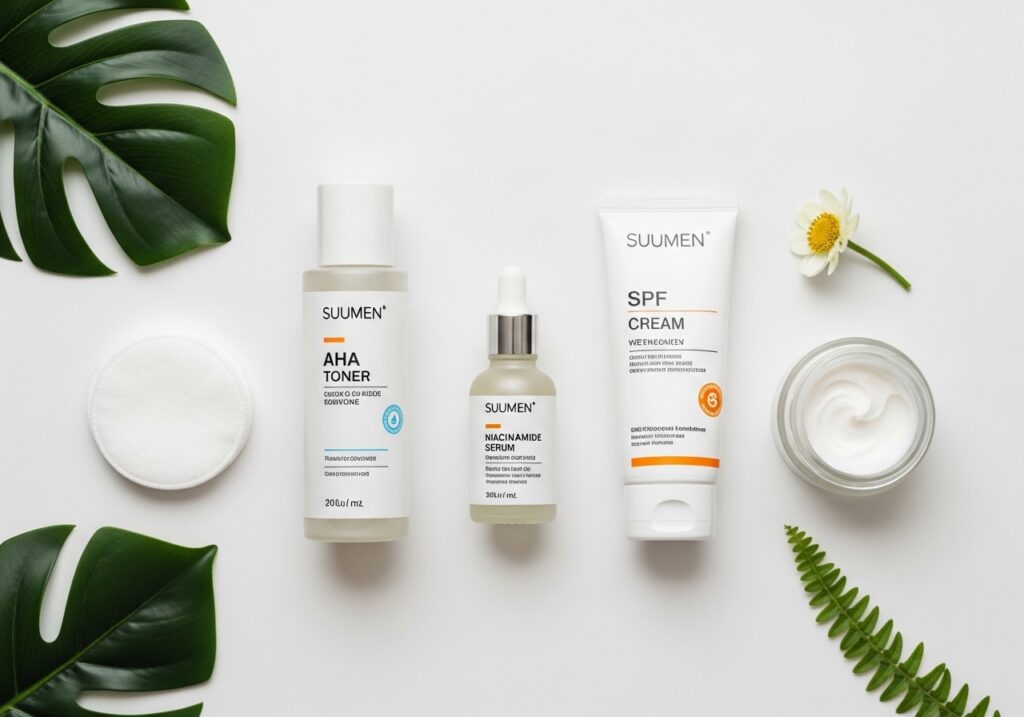
- AHAs (glycolic acid, lactic acid) resurface the top layer of skin and fade surface
discoloration - BHAs (salicylic acid) go deeper into pores ideal if your dark spots come from acne
Use 2–3 times per week at night. Never skip SPF the next morning.
4. Retinol The Long Game Champion
Retinol (Vitamin A) accelerates skin cell turnover, pushing pigmented cells to the
surface faster so they shed and reveal fresher skin underneath.
It’s one of the most proven ingredients for both dark spot removal and anti-aging.
Start with a low concentration (0.025%–0.05%) 2 to 3 times per week at night. Build up
slowly to avoid irritation.
Important: Never use retinol during the day it degrades in sunlight.
5. Kojic Acid Nature’s Brightener
Derived from fungi, kojic acid is a natural alternative to harsh bleaching agents. It
works by blocking tyrosinase the enzyme responsible for melanin production.
It’s especially effective for sun damage and age spots. Look for it in serums,
creams, and even cleansers.
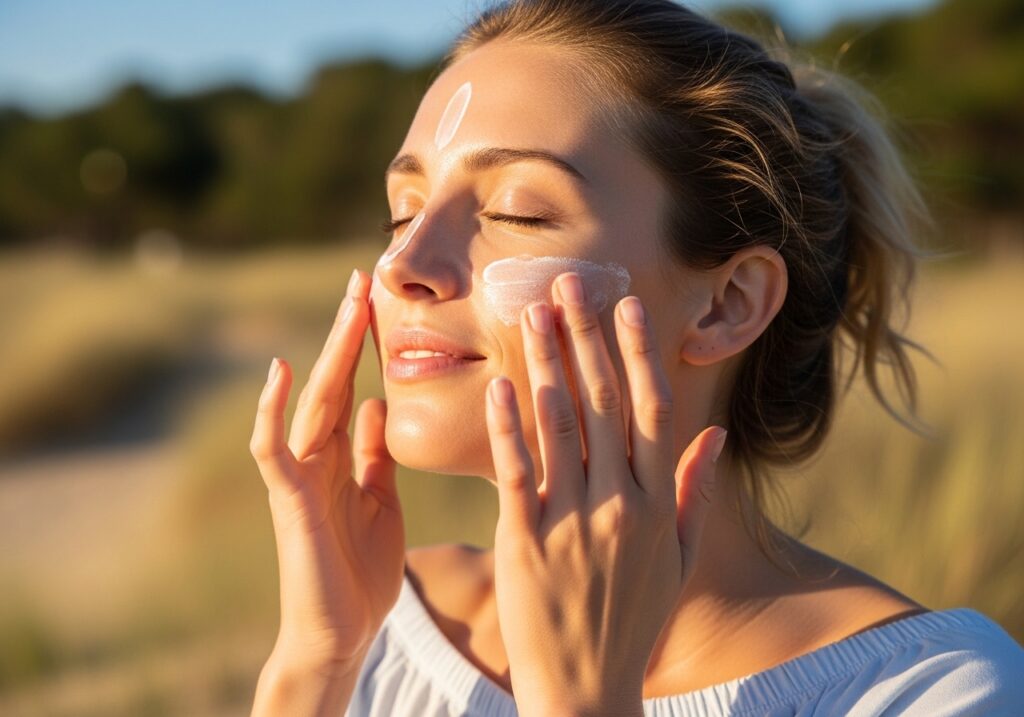
6. Sunscreen The Most Underrated Step
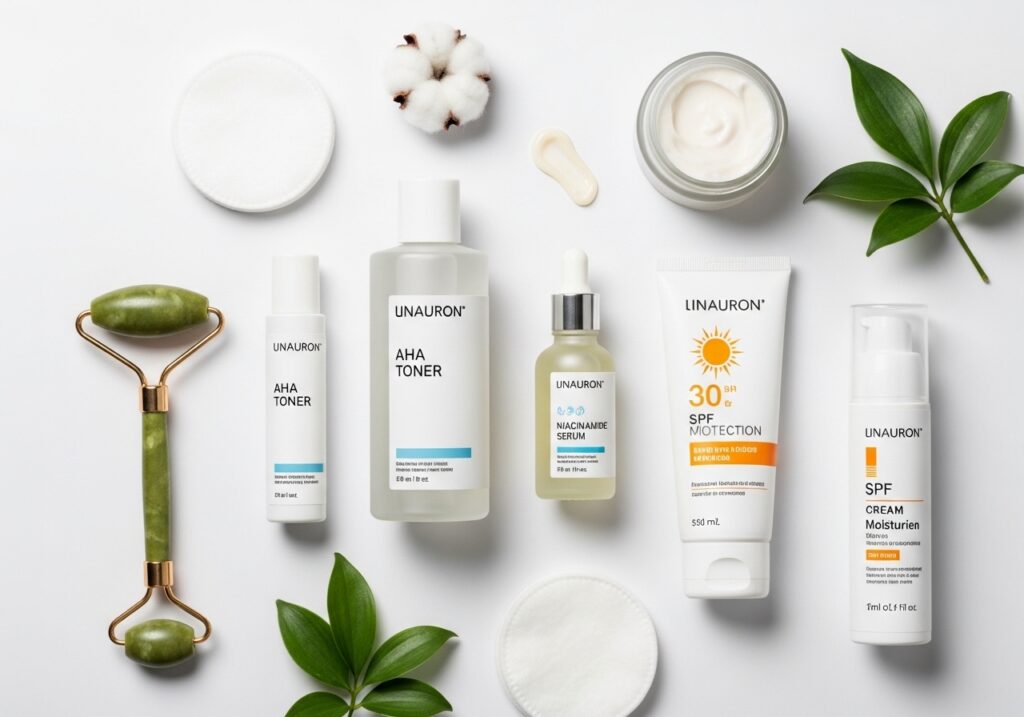
Here’s the honest truth: no dark spot treatment will fully work without sunscreen.
UV exposure triggers and darkens existing spots so if you’re treating dark spots
without SPF, you’re fighting a losing battle.
Use a broad-spectrum SPF 30 to 50 every single morning. Even on cloudy days. Even
indoors near windows.
This single habit will dramatically speed up your results with every other treatment.
7. Azelaic Acid The Underdog Ingredient
Azelaic acid doesn’t get as much attention as Vitamin C or retinol but it absolutely
should.
It’s anti-inflammatory, antibacterial, and directly inhibits pigment production. It’s
one of the few ingredients safe during pregnancy for treating melasma.
A 10 to 20% concentration is effective. It’s especially great for rosacea-prone or
sensitive skin types.
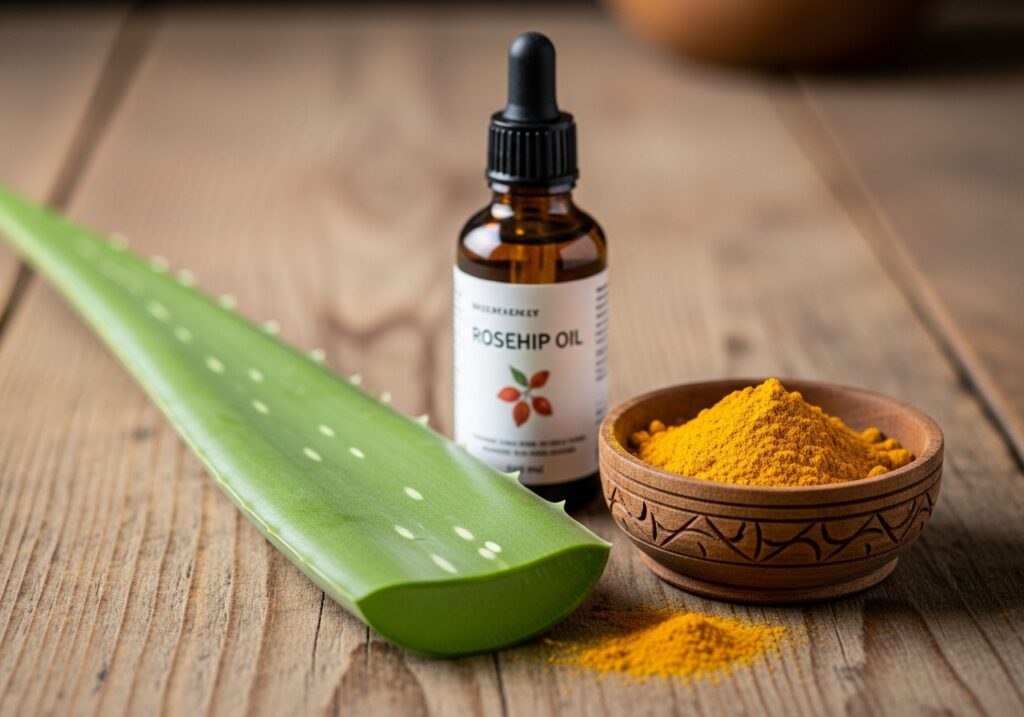
8. Natural Home Remedies That Actually Help
Not ready for actives? Some natural ingredients have real evidence behind them:
- Aloe vera gel Contains aloesin, which inhibits melanin production
- Turmeric paste Curcumin has anti-inflammatory and brightening properties
- Rosehip seed oil Rich in Vitamin A and C naturally
- Green tea extract EGCG compounds help reduce pigmentation
These work more slowly than actives, but they’re gentle, affordable, and a great
starting point.
9. Professional Treatments When to Level Up
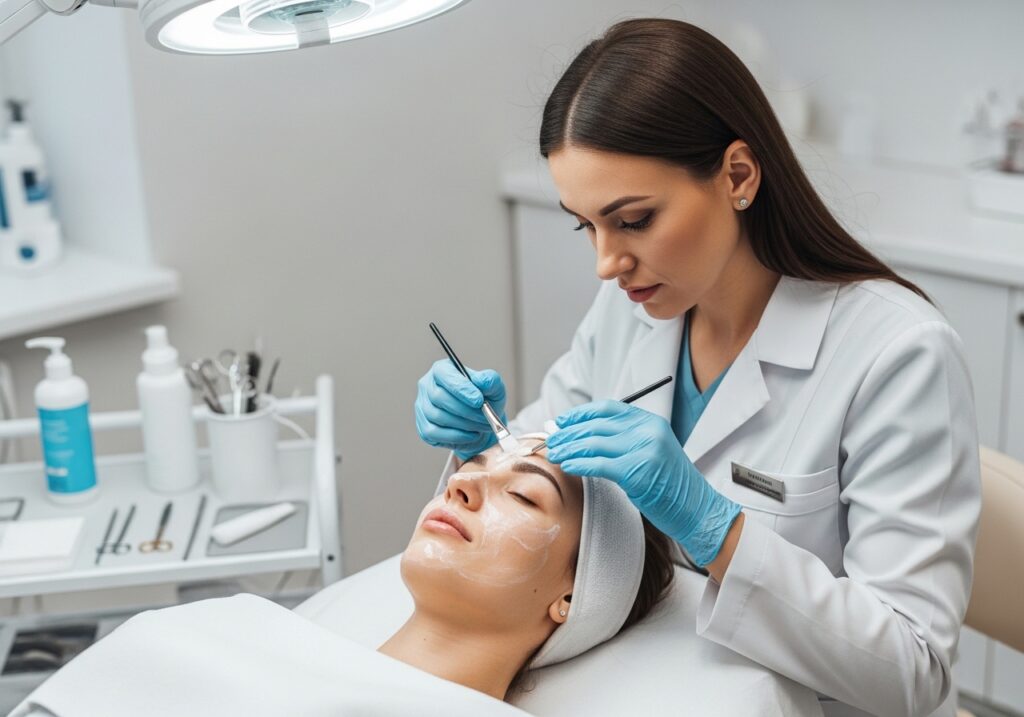
If home remedies and serums aren’t cutting it, professional treatments can deliver faster
results:
| Treatment | Best For | Results |
|---|---|---|
| Chemical Peels | Sun damage, acne scars | 2–4 sessions |
| Laser Therapy | Deep pigmentation | 3–6 sessions |
| Microdermabrasion | Surface spots | 4–6 sessions |
| Microneedling | Post-acne marks | 3–5 sessions |
These are performed by dermatologists or licensed aestheticians and are significantly
more powerful than at-home options.
10. Build a Consistent Dark Spot Removal Routine
Single products don’t change skin routines do.
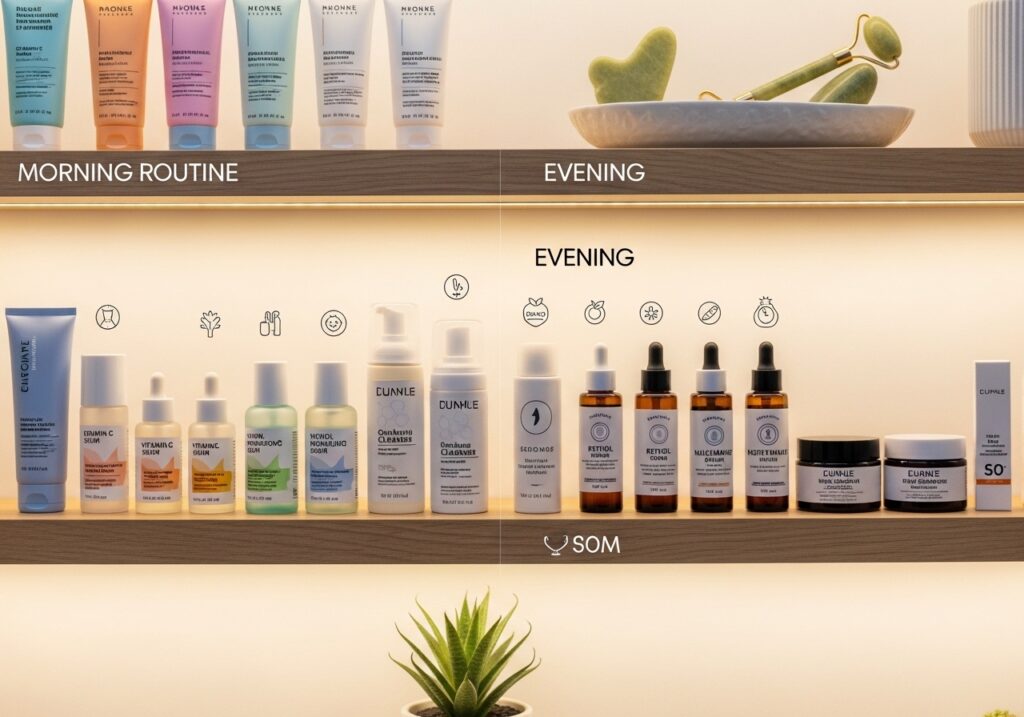
Here’s a simple, effective daily routine for removing dark spots fast:
Morning:
- Gentle cleanser
- Niacinamide or Vitamin C serum
- Moisturizer
- SPF 30 to 50
Evening:
- Double cleanse
- AHA/BHA exfoliant (2–3x per week)
- Retinol or azelaic acid serum
- Nourishing moisturizer
Consistency for 8 to 12 weeks is when you’ll start seeing real transformation.
What to Avoid When Treating Dark Spots
A lot of people unknowingly make their dark spots worse. Here’s what NOT to do:
- Picking at pimples creates post-inflammatory hyperpigmentation
- Skipping SPF undoes all your brightening work
- Using too many actives at once causes irritation and inflammation
- Expecting overnight results hyperpigmentation takes weeks to fade
- Using harsh physical scrubs can micro tear skin and worsen pigmentation
How Long Does Dark Spot Removal Actually Take?
Let’s be realistic because the internet is full of “overnight miracle” claims.
Here’s an honest breakdown:
- Surface dark spots (post-acne, mild sun damage): 4 to 8 weeks
- Moderate hyperpigmentation: 2 to 4 months
- Deep melasma or stubborn pigmentation: 6+ months or professional intervention
The key is choosing the right ingredient for your type of dark spot and staying
consistent. There are no real shortcuts but there are definitely smarter paths.
Internal Linking Suggestions
- “Best Vitamin C Serums for Hyperpigmentation in 2025” Link from the Vitamin C
section: “Check out our top picks for the best Vitamin C serums that actually deliver results.” - “Complete Guide to Building a Skincare Routine for Beginners” Link from the
routine section: “New to skincare? Start with our beginner-friendly skincare routine guide.” - “SPF Guide: How to Choose the Right Sunscreen for Your Skin Type” Link from
the sunscreen section: “Not sure which SPF is right for you? Our sunscreen guide breaks it down simply.”
Conclusion
Dark spots are frustrating but they are absolutely treatable.
Whether you start with a Vitamin C serum, add niacinamide to your routine, or finally
commit to daily SPF (please do this!), every step you take moves you closer to brighter,
more even-toned skin.
The most important thing?Pick a method, stay consistent, and be patient. Real skin
transformation takes time and it’s always worth it.
Start with one or two changes this week. Your future skin will thank you.
Found this helpful? Save it to Pinterest and share it with a friend who needs it!
Related Articles
Explore more topics in this category

Grounding / Earthing Self-Care Routine: 10 Amazing Ideas
Grounding / Earthing Self-Care offers a simple way to spend intentional time outdoors while connecting with natural surfaces. Grounding, which people…
Discover 3 Secrets to a Flawless Hands Care Routine
Our palms constantly face heavy daily damage from harsh weather and frequent chemical washing. You will learn the hidden secrets of…
5 Easy Vegan Skin Care Steps for Radiant and Healthy Skin
I spent thousands of rupees purchasing luxury synthetic face creams to treat my stubborn dry patches last winter. Those expensive chemical…

Mila
Beauty content creator and chief editor at EasyBeautyHacks. Dedicated to testing and sharing the best DIY skincare treatments, makeup techniques, and time-saving hair hacks. Mila helps women elevate their daily beauty routines without spending a fortune.
Read more about Mila →