
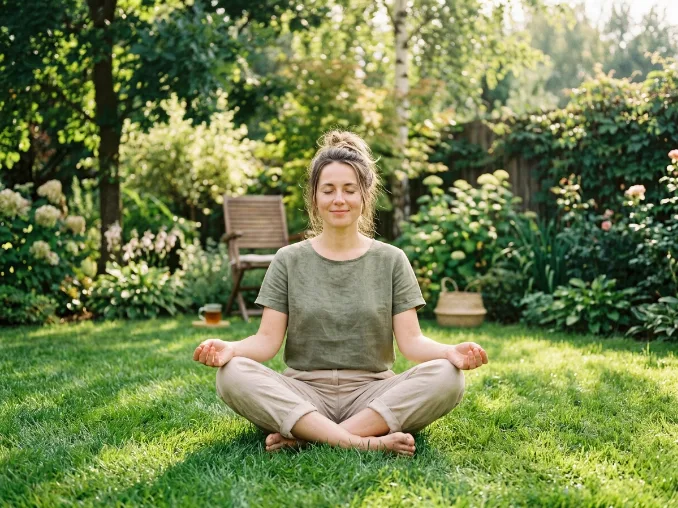
Grounding / Earthing Self-Care offers a simple way to spend intentional time outdoors while connecting with natural surfaces. Grounding, which people also call earthing, involves making direct physical contact with the earth’s surface, usually through bare feet on grass, soil, or sand. This simple practice can help you slow down and spend a few quiet minutes outdoors. Many people pair grounding with outdoor activities they already enjoy, turning an ordinary walk or backyard moment into a more intentional self-care practice.
This guide covers ten practical grounding ideas, a amazing fifteen-minute routine, the best places and times to practice, and safety tips worth knowing before you start. Grounding works best as a gentle addition to your existing routine rather than a guaranteed fix for any specific health concern.
What Is Grounding or Earthing?
Grounding and earthing describe the same basic practice: you connect your bare skin, usually your feet, directly to a natural surface like grass, soil, or sand. Proponents believe this direct contact offers a calming, centering effect, though the practice works best when framed as a simple self-care activity rather than a medical treatment.
Outdoor grounding relies on actual physical contact with the earth itself, while indoor grounding products, like mats or sheets, attempt to simulate a similar connection indoors. Both approaches share the same basic goal: slowing down and reconnecting with something outside your usual daily routine. For most people, this practice fits comfortably alongside other self-care habits like stretching, journaling, or quiet reflection.
What Are the Benefits of a Grounding Self-Care Routine?
Grounding offers a few consistent, realistic benefits for people who make it part of a regular routine.
The practice naturally encourages relaxation, since standing or sitting quietly outdoors slows the pace of an otherwise busy day. It also builds in mindful outdoor time, which many people find harder to schedule than they’d like. A stronger sense of nature connection often follows, especially for anyone who spends most of their day indoors. Grounding also supports present-moment awareness, since the physical sensation of bare feet on natural ground pulls attention away from screens and to-do lists.
Many people incorporate grounding into a broader stress-management routine, pairing it with breathing exercises or a short walk. These benefits stay realistic and personal rather than promising any guaranteed medical outcome, and that framing matters for anyone considering the practice.
10 Amazing Grounding / Earthing Self-Care Ideas
1. Take a Short Barefoot Grass Walk
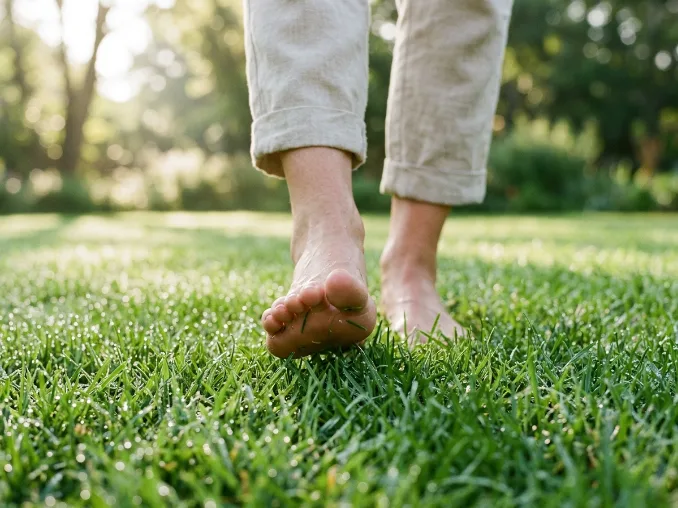
Walking barefoot across grass for five to ten minutes offers one of the simplest ways to start. Focus on the sensation underfoot rather than rushing through the walk, letting each step feel deliberate.
Choose a clean, familiar grassy area where you can move comfortably without worrying about sharp objects or uneven surfaces. Walk slowly while paying attention to the texture beneath your feet and the outdoor surroundings.
2. Sit Quietly on Natural Ground
Sitting directly on grass or soil, rather than a blanket, keeps the physical connection intact while you rest. This works well during a lunch break or a quiet morning moment before the day picks up speed.
Choose a comfortable spot where you can sit without distractions for several minutes. You can close your eyes, take a few slow breaths, or simply notice the sounds around you.
3. Try a Beach Earthing Walk
Sand offers a different texture than grass, and the nearby water often adds a calming element to the walk. Early morning or evening beach visits tend to feel quieter and more relaxed than midday.
Walk slowly along a clean section of sand and pay attention to how the surface changes beneath your feet. Always check the sand first and avoid areas with sharp shells, broken objects, or excessive heat.

4. Pair Grounding With Deep Breathing
Combining barefoot contact with slow, deliberate breathing creates a simple relaxation-focused practice. Counting each breath helps keep your attention focused rather than letting your thoughts wander.
Start by standing comfortably on grass, soil, or sand and take several slow breaths. Keep your attention on the rhythm of your breathing and the sensation beneath your feet throughout the session.
5. Add Grounding to Your Morning Routine
Stepping outside barefoot for a few minutes before starting the day sets a calmer tone before emails and errands take over. This works especially well when you pair the practice with morning coffee or tea.
Choose a safe spot near your home so the habit feels convenient rather than difficult to maintain. Connecting grounding with something you already do each morning can also make the practice easier to remember.

6. Create a Simple Garden Grounding Routine
Tending a garden barefoot combines grounding with a productive, hands-on activity. Even a small container garden on a patio offers a convenient way to spend time outdoors.
You can water plants, remove small weeds, or inspect your garden while keeping your bare feet on a safe natural surface. Check the area carefully before removing your shoes, especially if your garden contains tools, thorns, or sharp stones.
7. Try a Relaxing Sunset Grounding Session
Grounding at sunset adds a natural, calming visual element to the physical practice. The cooler evening ground also feels different underfoot than the warmer surfaces of midday.
Find a comfortable outdoor spot before sunset and spend several quiet minutes standing or walking barefoot. Choose a familiar location with enough light to see the ground clearly and avoid potential hazards.
8. Combine Grounding With Journaling
Sitting on natural ground while journaling combines physical grounding with mental reflection in one session. This approach works well for processing a busy day or planning the one ahead.
Bring a small notebook outside and choose a quiet spot where you can sit comfortably. Spend a few minutes noticing your surroundings before writing down your thoughts, plans, or something you appreciated that day.

9. Make Grounding Part of Your Weekend Routine
Weekends often allow more time for a longer grounding session, from a park visit to an extended backyard moment. This slower pace suits grounding better than a rushed weekday schedule.
Choose one weekend day when you usually have fewer responsibilities and spend fifteen to twenty minutes outdoors. You can combine grounding with gentle walking, quiet sitting, breathing, or journaling.
10. Keep Your Daily Grounding Practice Simple
A short, five-minute session repeated daily can help you build a consistent habit. Simplicity keeps the practice sustainable rather than making it feel like one more demanding task.
Pick one safe location and one convenient time that fits naturally into your schedule. If you miss a day, simply return to the routine without treating the break as a failure.
A Simple 15-Minute Grounding Routine
This short routine breaks grounding into four easy stages.
Minutes 1-3: Slow down and settle in, taking a few deep breaths before removing your shoes.
Minutes 4-8: Connect with the natural ground, standing or sitting with bare feet or hands touching grass, soil, or sand.
Minutes 9-12: Practice slow breathing, keeping attention on the physical sensation of contact with the ground. Minutes 13–15: Reflect and journal briefly, noting how the session felt before returning to your day.
What Are the Best Places for Grounding?
Grass remains the most accessible option for most people, easy to find in a backyard or a nearby park. A garden offers a similar surface with the added benefit of hands-on activity. Soil works well too, particularly for anyone already gardening or spending time in a planted area.
The beach adds sand and the sound of water to the experience, which many people find especially calming. A local park provides grass and often shade, making it a comfortable midday option. Your own backyard offers convenience above all else, while nature trails combine grounding with light movement through a natural setting.
When Is the Best Time to Practice Grounding?
Morning sessions set a calm tone before the day’s demands take over. An afternoon break offers a reset during a busy stretch of work or errands. Grounding after work helps mark a clear transition from work mode into personal time.
Sunset sessions pair naturally with the day’s winding-down mood, and weekends allow for longer, less rushed sessions overall. Ultimately, the best time is the one you can follow consistently, since a sustainable habit matters more than a specific hour on the clock.
How Can You Make Grounding Part of Your Self-Care Routine?
Starting with five to ten minutes keeps the practice approachable rather than overwhelming. Connecting grounding to an existing habit, like morning coffee or an evening walk, makes it easier to remember. Choosing one regular location removes the friction of deciding where to go each time.
Keeping the routine comfortable matters more than following any strict format, and tracking consistency over time proves more useful than tracking duration. Combining grounding with breathing, walking, or journaling builds a fuller practice without adding much extra time. You can also explore other simple self-care routines that support a calm daily routine.
Grounding Safety Tips
Checking the surface before going barefoot avoids sharp objects, glass, or debris hidden in grass or sand. Avoiding sharp objects and very hot ground protects your feet, especially on sand or pavement during peak sun hours. Weather conditions matter too, since cold, wet, or icy ground can make grounding uncomfortable or unsafe.
Uneven surfaces call for extra care, since bare feet lack the protection regular shoes provide. Keeping hygiene in mind, like washing your feet after a session, helps avoid picking up dirt or minor irritants. Stopping the activity if it causes discomfort protects you from unnecessary strain, and grounding should never replace medical care for any diagnosed condition.
Grounding vs. Other Self-Care Practices
| Practice | Main Focus |
|---|---|
| Grounding | Nature connection |
| Deep breathing | Relaxation |
| Journaling | Reflection |
| Nature walking | Outdoor movement |
| Meditation | Mindful awareness |
Grounding pairs naturally with each of these practices rather than competing with them, which makes it easy to fold into a routine you already have.
How to Build a Weekly Grounding Routine
A simple weekly structure spreads grounding across different moods and settings. Monday starts with morning grounding to set the tone for the week. Tuesday moves into the garden, combining grounding with light activity. Wednesday pairs grounding with breathing for a midweek reset.
Thursday shifts to an evening session, marking the transition out of work mode. Friday brings a mindful outdoor walk to close out the workweek. Saturday allows for a longer nature session with more time to relax, and Sunday closes the week with grounding paired with journaling and reflection.
Conclusion
Grounding offers a simple, low-cost way to slow down and reconnect with the outdoors, from a quick barefoot walk to a longer weekend session. Consistency matters more than any single long session, and realistic expectations keep the practice enjoyable rather than another task on a to-do list. Comfort and safety should guide every session, from checking the ground beneath your feet to choosing weather that actually feels pleasant.
Ready to Start Your Own Grounding Routine?
Start with a short, comfortable grounding session in a natural spot you genuinely enjoy, like your backyard or a nearby park. Keep the first few sessions simple and build from there as the habit starts to feel natural. You can also pair grounding with other simple wellness habits for a more balanced self-care routine.
Related Articles
Explore more topics in this category

Discover 3 Secrets to a Flawless Hands Care Routine
Our palms constantly face heavy daily damage from harsh weather and frequent chemical washing. You will learn the hidden secrets of…

5 Easy Vegan Skin Care Steps for Radiant and Healthy Skin
I spent thousands of rupees purchasing luxury synthetic face creams to treat my stubborn dry patches last winter. Those expensive chemical…

7 Best Clean Girl Makeup Steps for a Fresh Glow
Mastering a clean appearance requires a strategic shift. You must move from heavy coverage to precise, skin first product choices. This…
